New Year Vision Board Ideas for 2027
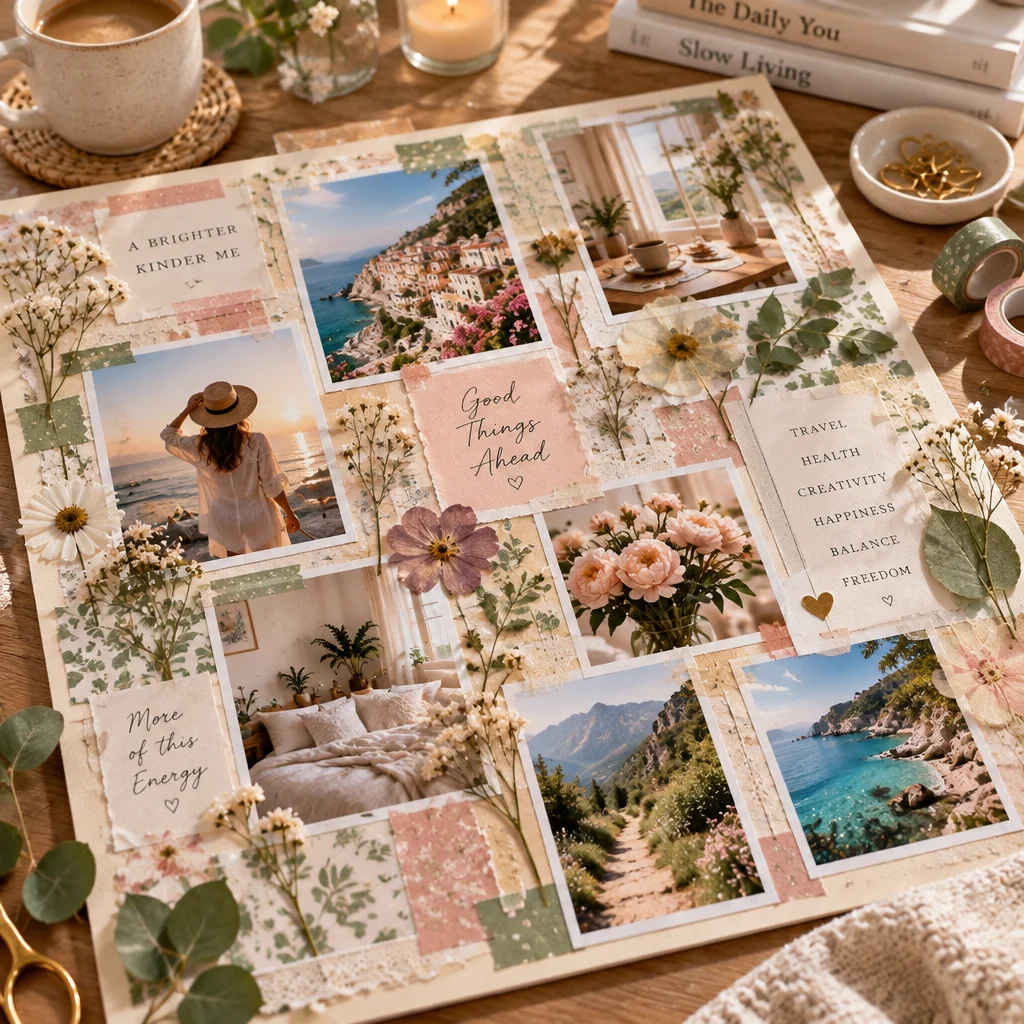
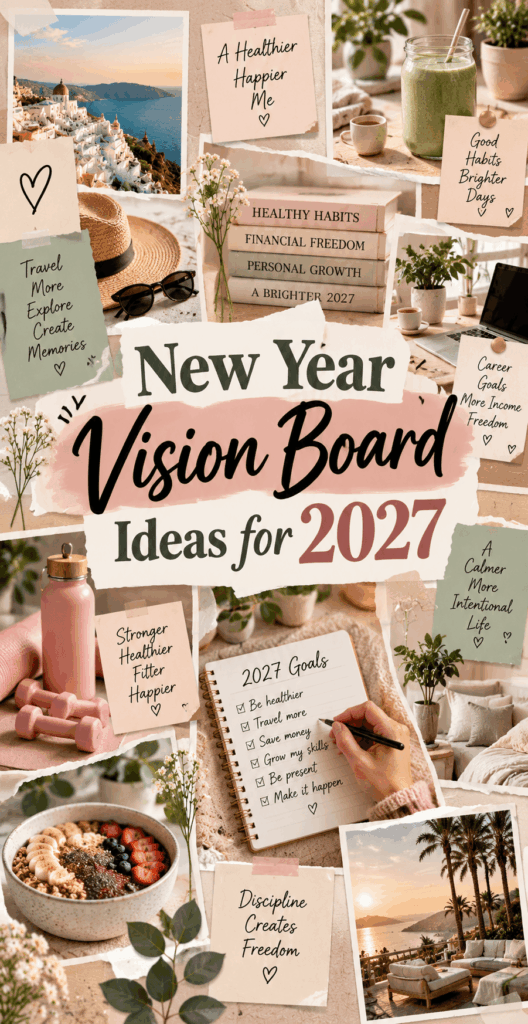
If you’re searching for new year vision board ideas for 2027, you’re probably looking for something more helpful than a collage of random pictures. A good vision board is both inspiring and practical: it reminds you what matters, and it nudges you toward actions you can actually take. In this post, I’ll walk you through beginner-friendly ways to plan, build, and use a 2027 vision board that fits your lifestyle, space, and goals, whether you want a big wall board or a small planner insert.
We’ll cover materials, layout options, step-by-step assembly, and easy upgrades like printable prompts and themed mini-boards. If you enjoy working with printables, you’ll also like these printable crafts for kids for family crafting sessions, plus my stash of free craft printables that can be repurposed for goal labels and decorative borders.
What You Need to Know Before Starting
The most successful new year vision board ideas start with clarity, not supplies. Before you cut a single image, decide what your board is meant to do in 2027: motivate you emotionally, guide daily habits, or keep long-term goals visible. A vision board can do all three, but it helps to choose a primary job so your layout stays focused.
Difficulty level: Beginner. If you can cut and glue neatly, you can make a board you’ll be proud to hang.
Estimated time: 60 to 120 minutes for a basic board. Add 30 to 60 minutes if you’re painting a background, laminating pieces, or making pockets.
Project size and use: Common sizes are 12 x 18 inches (poster board), 18 x 24 inches (statement board), or letter size (binder/planner board). Choose a size that fits where you’ll actually see it: office wall, closet door, fridge, or inside a journal.
Mindset tip: Don’t aim for “perfect.” Aim for “seen daily.” A simple board displayed in the right spot beats a gorgeous board tucked in a drawer. If you want more context on intention setting, I also like this article: How To Make A New Year’s Vision Board, And Why.
Supplies, Tools, and Material Choices
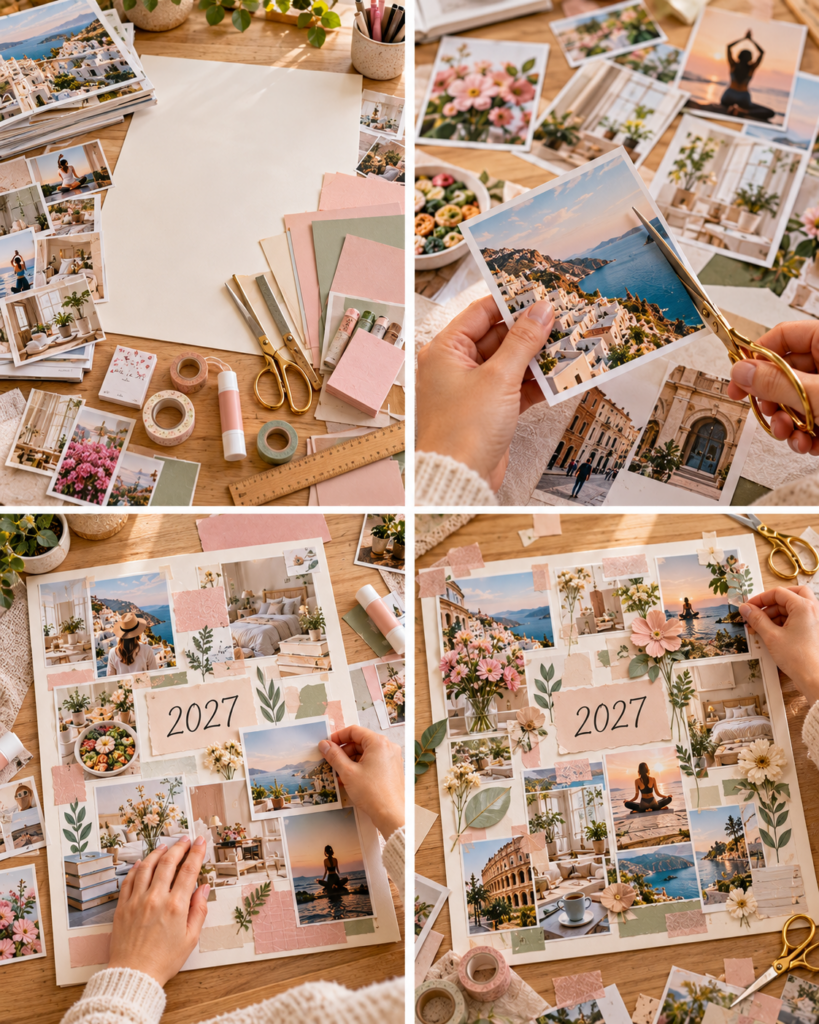
One reason people quit halfway through is using the wrong adhesive or base. Your supplies should match how long you want the board to last and where it will live (humid bathroom, sunny office, dorm wall, etc.). Below are dependable, beginner-friendly options.
- Base: Poster board is inexpensive and easy to cut. Foam board is sturdier and resists warping. A corkboard lets you pin and swap items all year.
- Images and words: Magazines, catalogs, printed photos, packaging, postcards, and hand lettering. Matte paper is easiest to glue without wrinkling.
- Adhesives: Glue stick for thin paper, double-sided tape for crisp edges, and craft glue for heavier items. If you use liquid glue, apply a thin layer and smooth from the center outward to prevent bubbles.
- Cutting tools: Scissors for general cutting. A craft knife with a cutting mat is great for clean rectangles. Replace dull blades to avoid tearing paper.
- Optional finishing tools: Clear contact paper or a laminating pouch for small boards, washi tape for borders, and a ruler for alignment.
Material choice for 2027 theme: If you want a clean, modern look, choose a limited palette (two neutrals plus one accent). If you love cozy craft vibes, add texture like fabric scraps, ribbon, or a small crocheted embellishment using this easy crochet flower pattern.
How to Make or Use It (Clear Beginner-Friendly Tutorial)
This tutorial works for most new year vision board ideas, whether you’re making a classic collage, a goal grid, or a mini-board. Read through once before you start so your glue time is smooth and stress-free.
- Choose your board format. Decide between wall board, binder/planner insert, or digital-to-print. This matters because it affects size, durability, and how detailed you can go.
- Pick 4 to 6 life categories. Examples: health, home, relationships, learning, career, creativity, finances, travel, or calm. Fewer categories keeps your board readable at a glance.
- Write a one-sentence 2027 intention. Example: “In 2027, I build steady routines that support my health and creativity.” Put this sentence near the center. It anchors the whole design.
- Gather visuals and words (don’t glue yet). Collect more than you need, then edit down. Look for images that show “how it feels,” not just “what it is.”
- Plan the layout dry. Arrange pieces without adhesive. Use a grid (neat and calm) or a radial layout (center focus with spokes). Step back and check balance, spacing, and readability.
- Adhere from background to foreground. Glue larger background pieces first, then layer smaller words and icons on top. Smooth each piece to prevent wrinkles.
- Add actionable micro-prompts. This is my favorite upgrade. Add small labels like “10 minutes,” “weekly,” “one lesson,” or “call a friend.” These turn inspiration into behavior.
- Finish and protect. Optional: add a washi tape border, spray fixative for pencil sketches (use in a well-ventilated area), or cover with clear contact paper. If you want it changeable, use pins or removable photo corners instead.
- Place it where you’ll see it daily. The “best” board is the one you interact with. If it’s private, hang it inside a closet door or keep it in your planner.
How to use it: Spend 30 seconds each morning scanning your board, and once a week pick one tiny action connected to one image. That weekly action is where vision boards start to pay off.
Helpful Tips for Better Results
These practical tweaks make a huge difference, especially if you’re new to crafting or you’ve tried new year vision board ideas before and felt underwhelmed.
- Use a “three-word rule.” For every goal area, pick three words that define success (example for health: “steady, energized, strong”). If an image doesn’t fit your three words, skip it.
- Mind the negative space. Leaving some blank space is not wasting room. It improves readability and makes the board feel intentional rather than cluttered.
- Test adhesives on glossy paper. Magazine pages can resist glue. Double-sided tape or a glue stick applied to both surfaces (thinly) can help. Press with a clean cloth to prevent fingerprints.
- Use consistent typography. Even if your images are mixed, using one marker color for hand-lettered words or one style of printed labels makes everything feel cohesive.
- Build in flexibility. Goals change. If you’re unsure, create a section with removable items using washi tape loops or pins on corkboard.
“I always made vision boards that looked cute but didn’t help me. This time I added the micro-prompts and kept only five categories. I’ve actually used my board every week since January, and it’s the first year it hasn’t ended up in a drawer.”
Creative Variations and Project Ideas
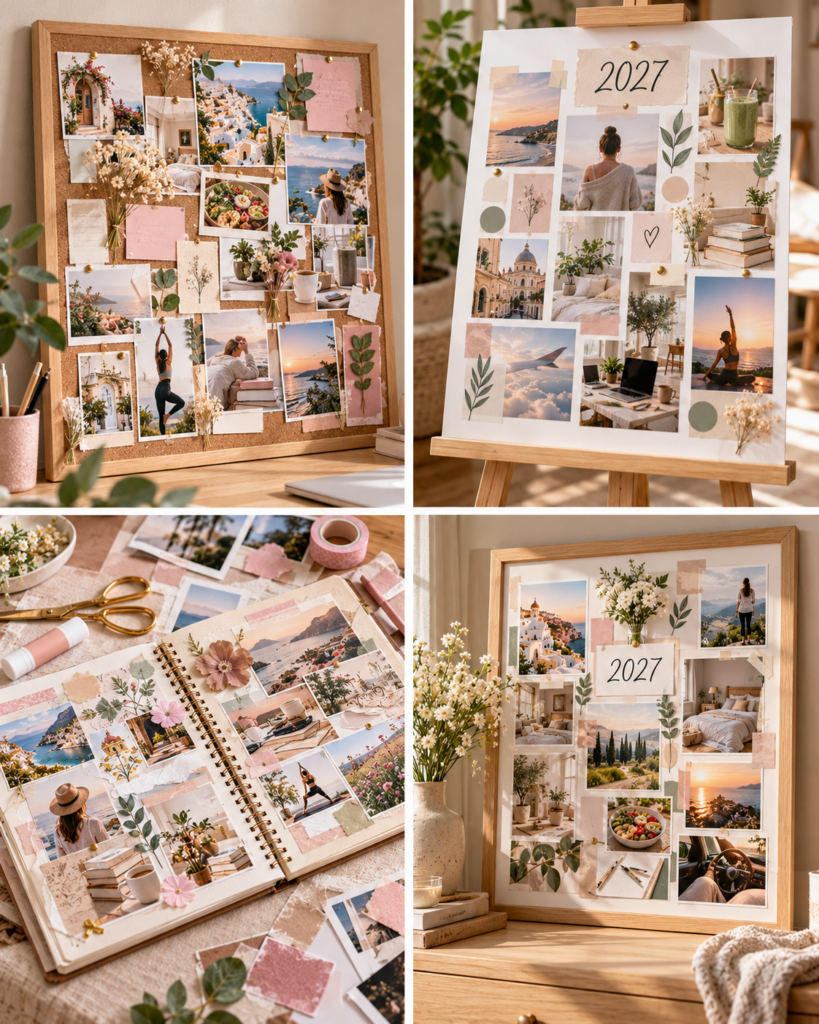
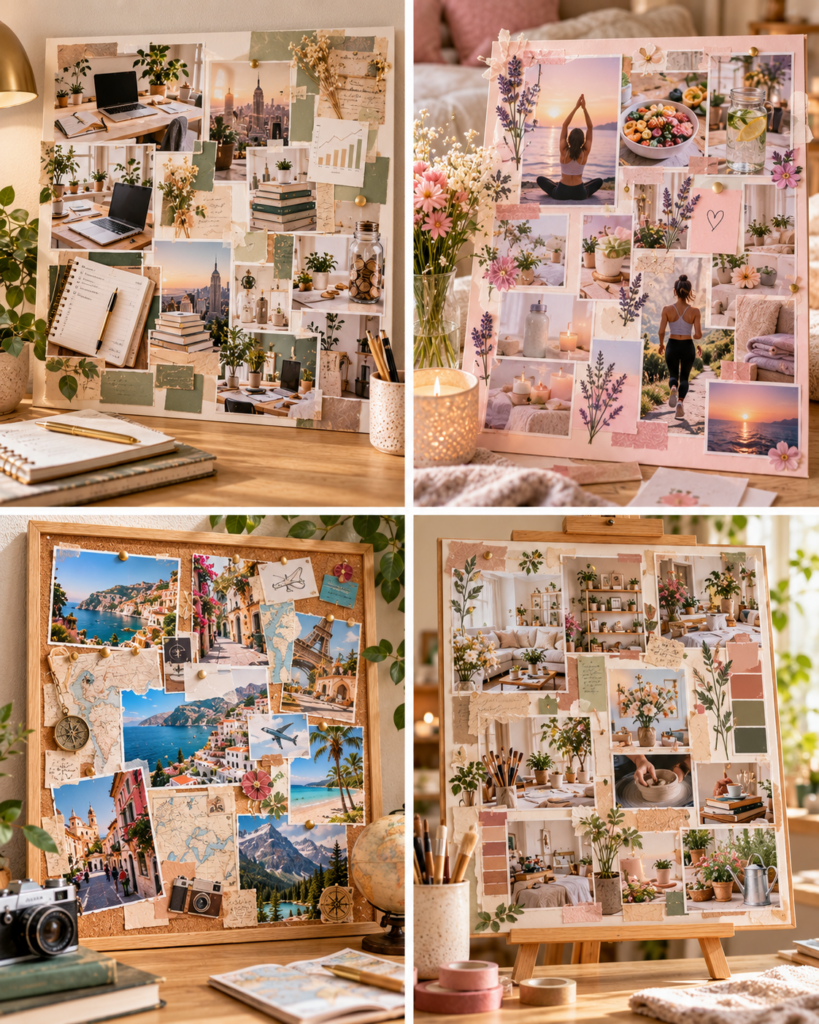
If you like experimenting, here are new year vision board ideas tailored to different personalities, spaces, and crafting styles. You can also mix and match them, like a corkboard base with a mini “monthly focus” section.
- The 2027 Bingo Board: Create a 5 x 5 grid. Each square is a goal experience, not a purchase. Examples: “Finish a course,” “Host a simple dinner,” “Run a 5K,” “Weekend screen break.” Check off squares with small stickers.
- The Pocket Board (interactive): Glue 3 to 6 paper pockets (envelopes cut down work well). Each pocket holds action cards you can rotate weekly. This is great for people who get bored easily.
- The “One Word” Board: Choose one word for 2027 (like “steady” or “brave”). Make that word large in the center using cut letters, paint, or hand lettering, then surround it with supporting images.
- The Family Vision Board Night: Set out safe scissors, glue sticks, and printables so everyone can contribute. If you want kid-friendly templates and pre-colored elements, start with these printable crafts for kids and adapt them into goal icons.
- The “Skills I’m Building” Board: Instead of outcomes, focus on skills: cooking basics, sewing, public speaking, budgeting. If sewing is on your list, an approachable project can reinforce your theme, like this easy apron sewing pattern.
Seasonal refresh idea: Print a small set of monthly quote cards or decorative headers to swap out. Many holiday-themed printables include borders and labels that work year-round, so browse these free craft printables for design elements you can repurpose.
Common Mistakes and How to Avoid Them
Most vision board frustration comes from a few predictable issues. Fix these and your board will look cleaner and feel more meaningful.
- Mistake: Too many goals. If your board tries to represent 25 priorities, it becomes visual noise. Fix: pick 4 to 6 categories and one key image per category, then add 1 to 3 supporting words.
- Mistake: Only dreamy images, no action cues. A board full of beaches and luxury interiors can feel distant. Fix: add process images and micro-prompts like “practice,” “save,” “walk,” “draft,” “declutter 15 minutes.”
- Mistake: Gluing before planning. Once it’s down, it’s hard to adjust spacing. Fix: dry-fit everything first, snap a quick photo, then glue.
- Mistake: Warping and wrinkles. Liquid glue can ripple paper, especially on thin magazine pages. Fix: use glue sticks or tape for paper. If you use liquid glue, apply a very thin layer and smooth immediately.
- Mistake: Displaying it where you never look. A beautiful board in a drawer is basically storage. Fix: put it near your toothbrush, desk, closet, or planner. If privacy is a concern, make a foldable board or keep a mini version inside a journal.
- Mistake: Using unsafe tools without care. Craft knives are sharp and can slip. Fix: cut on a self-healing mat, keep fingers clear, retract blades, and store tools away from kids and pets.
Frequently Asked Questions About New Year Vision Board Ideas for 2027
What should you put on a New Year vision board?
Include a mix of outcomes and actions: a few “destination” images (like a calm home office) plus “journey” cues (like a tidy desk, a timer icon, or the word “weekly”). Add a 2027 intention statement, 4 to 6 life categories, and one small habit prompt per category. If you’re stuck, choose visuals that match how you want 2027 to feel: steady, adventurous, peaceful, brave, or creative.
How do you make a vision board at home?
Start with a base (poster board, foam board, corkboard, or even a notebook page). Gather images and words from magazines or printouts, then dry-fit your layout before gluing. Adhere large pieces first, then layer smaller phrases. Finish with a border or protective cover if needed. Display it somewhere you’ll see daily, and schedule a weekly check-in to choose one small action connected to the board.
Can you make a vision board without magazines?
Yes. Print images from your own photos, use free printable quotes, draw simple icons, or write goals in bold lettering. You can also use fabric scraps, receipts from meaningful experiences, ticket stubs, or packaging with inspiring colors and typography. If you’re crafting with kids or want ready-to-cut shapes, printables are often easier than magazines because you can scale the size and keep the style consistent.
What supplies do you need for a vision board?
At minimum you need a base, scissors, adhesive, and visuals or words. A glue stick and double-sided tape cover most paper needs. Add a ruler for alignment and a black marker for labeling. Optional items include washi tape for borders, a craft knife and mat for clean edges, and clear contact paper to protect the surface. If your board will be handled often, choose foam board or a binder format for durability.
How do you organize goals on a vision board?
Use one of three beginner-friendly layouts: a grid (neat and balanced), a radial layout (main intention in the center), or categories in columns (health, home, work, etc.). Keep each category to one main image plus supporting words so it stays readable. If you want more structure, add tiny labels like “daily,” “weekly,” or “by June” to connect each image to a realistic timeline.
Where should you display your vision board?
Place it where you naturally pause each day: near your desk, on the inside of a closet door, next to your dresser mirror, or above a charging station. If you share space and prefer privacy, make a mini board inside your planner or create a foldable tri-fold board you can open during weekly planning. Avoid direct sunlight if you used inkjet prints, since bright light can fade them over time.
Final Thoughts
The best new year vision board ideas for 2027 are the ones you will actually look at and use. Keep your categories simple, choose images that match your real life, and add micro-prompts so inspiration turns into consistent action. If you want more mindset guidance alongside the crafting steps, revisit How To Make A New Year’s Vision Board, And Why and then set a 30-minute timer to gather visuals today. Your next step is easy: pick your board size, decide your 4 to 6 categories, and do a quick dry layout. Once you see the board taking shape, motivation tends to follow.