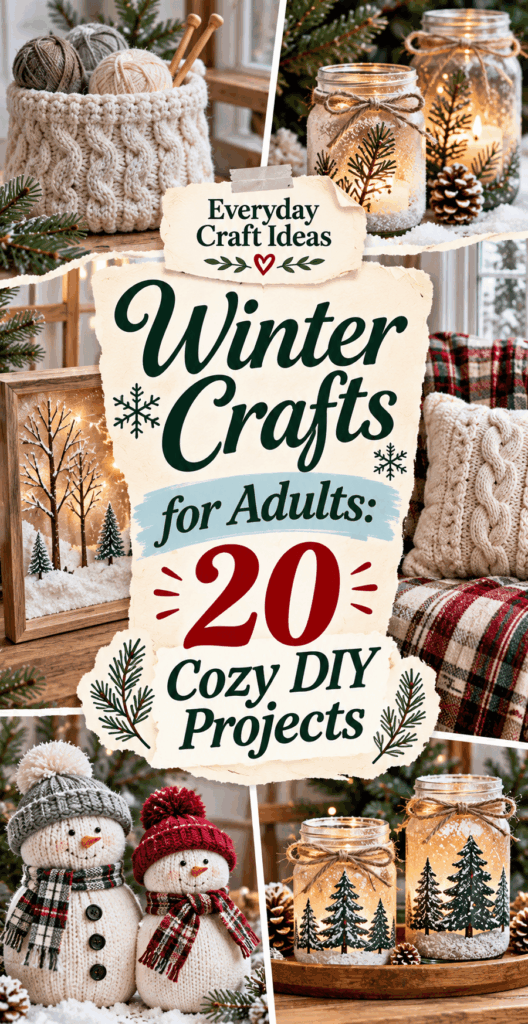
Winter Crafts for Adults: 20 Cozy DIY Projects
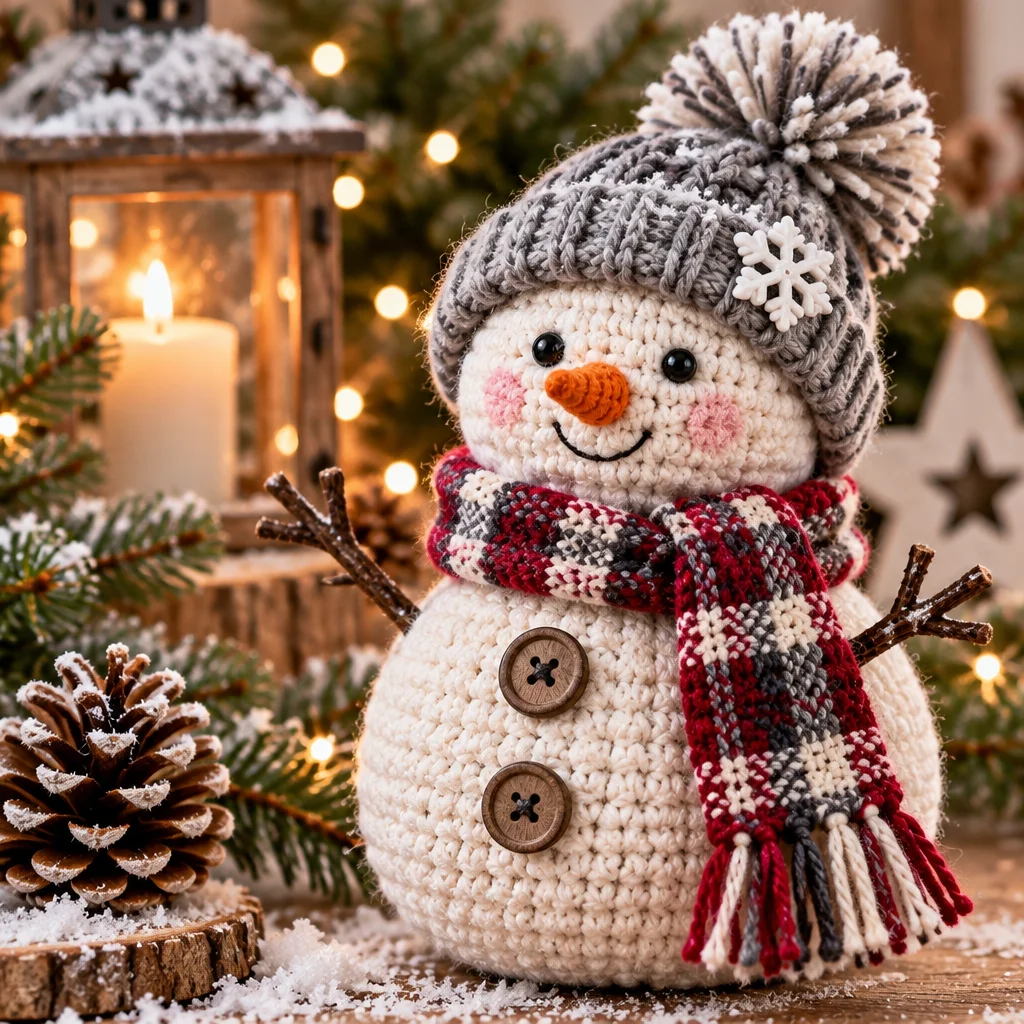
When the days get shorter and the air turns crisp, winter crafts for adults are one of the easiest ways to make your home feel warmer and more personal. The best part is that you do not need a dedicated craft room or expensive machines to create beautiful seasonal decor, cozy gifts, and practical items you will actually use. In this guide, you will find 20 project ideas plus the core techniques that help beginners succeed the first time.
If you want more themed inspiration after you finish this list, browse this collection of winter craft ideas for adults. If you are crafting with family, it also helps to keep a few simple activities on hand from these winter crafts for kids so everyone can make something at their level.
Expect cozy textures, calm color palettes, and projects that fit into an evening or weekend. You will also learn what to buy, what to skip, and how to avoid common mistakes that waste time and materials.
Materials and tools needed
You can make most winter crafts for adults using a small “core kit” and a handful of seasonal add-ons. Start with versatile supplies that work across multiple projects. That way, you buy once and craft all winter.
- Adhesives: A low-temp hot glue gun for quick bonds on felt, pinecones, and ribbon; tacky glue for paper and porous surfaces; and double-sided tape for clean paper edges.
- Cutting tools: Sharp fabric scissors (keep them for fabric only), a craft knife with a fresh blade for cardstock and foam, and a self-healing cutting mat for safety and precision.
- Measuring and marking: A clear ruler, flexible measuring tape for wreaths and textiles, pencil, and a fine-tip marker for labeling stencils.
- Basic paints and finishes: Acrylic paint, foam brushes, a small detail brush, and water-based sealer or Mod Podge for durability.
- Winter-specific materials: Felt, yarn, chunky knit fabric scraps, cinnamon sticks, dried orange slices, pinecones, faux greenery, and battery-operated LED fairy lights.
- Optional upgrades: A bone folder for crisp paper folds, a handheld hole punch, and a small cutting machine if you already own one.
Tip: prioritize good scissors and fresh blades. Clean cuts are the difference between “handmade” and “homemade.”
Skill level and estimated time
Most winter crafts for adults fall into three time categories: quick (20 to 45 minutes), evening projects (1 to 2.5 hours), and weekend makes (3 to 6 hours including drying time). Choose based on your energy and your workspace. If you only have a kitchen table, pick projects that pack away easily while glue or paint dries.
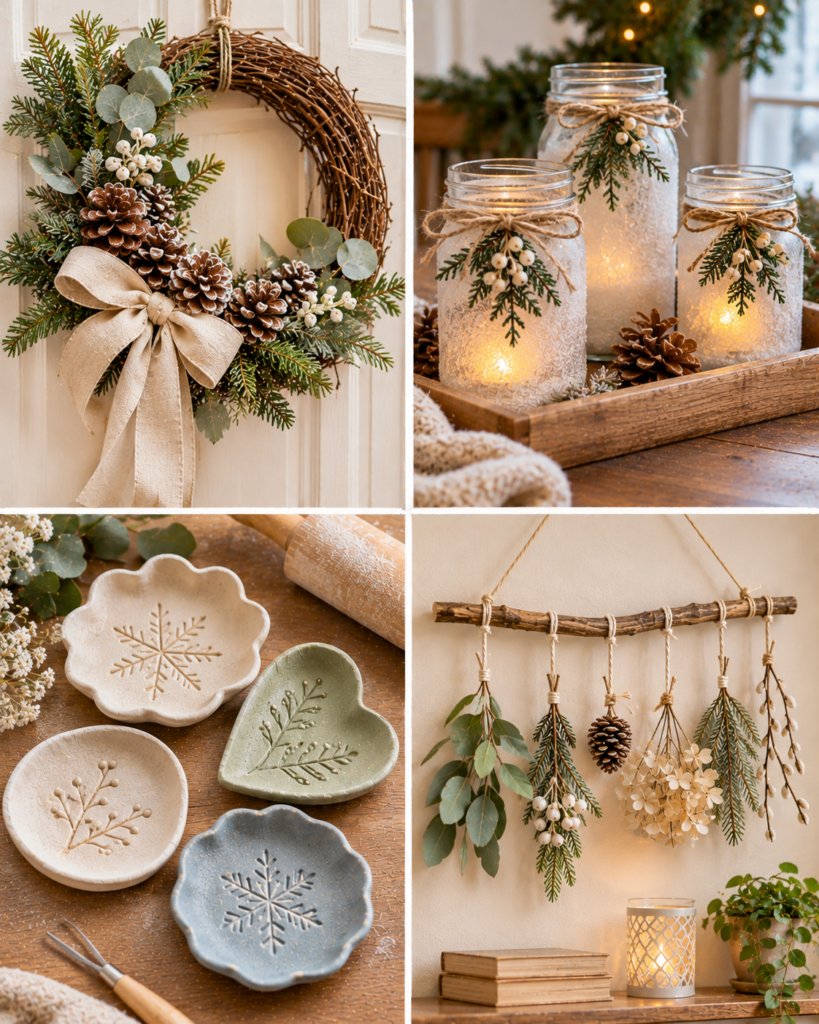
Beginner: Paper snowflakes, no-sew garlands, mason jar luminaries, and painted pinecones are low-pressure and forgiving. You will practice simple cutting, gluing, and layering without special tools.
Confident beginner: Wreaths, simmer pot gift sets, embroidered ornaments, and needle-felted hearts involve more steps and benefit from patience. You will learn how to build structure and finish edges neatly.
Intermediate: Chunky knit pillows, simple quilting blocks, or macrame wall hangings are still approachable, but they require consistent tension and measuring. Plan for extra time if you are learning a new technique.
A good rule: add 25 percent time for first attempts. Also build in drying or curing time for paint, sealer, and glue so your project lasts beyond one season.
Preparation and safety tips
Crafting should feel cozy, not stressful. A little preparation keeps winter crafts for adults safe and frustration-free.
- Protect surfaces: Cover your table with a craft mat, freezer paper (shiny side up), or cardboard. Hot glue and acrylic paint can permanently mark wood finishes.
- Ventilation matters: Even water-based sealers and sprays should be used with airflow. Open a window or work near a fan, and never spray sealant indoors unless the label allows it.
- LED lights only: Use battery-operated LED tea lights in paper bags, jars, and wreaths. Avoid real flames around dried greenery, paper, and fabric.
- Blade safety: Always cut away from your body on a stable mat. Replace dull blades; forcing a cut is what causes slips.
- Allergy and pet safety: Cinnamon, eucalyptus, and some essential oils can irritate pets. If animals share your space, keep scented items out of reach and skip oils on garlands or wreaths.
Finally, pre-sort your materials into small trays or bowls. When you are assembling a wreath or garland, searching for supplies is what derails your momentum.
Project ideas and variations
Here are 20 winter crafts for adults you can mix and match. Think of them as a menu: pick one decor piece, one cozy-use item, and one giftable project, and you will feel “season-ready” fast.
- Felt ball garland (mantel or staircase)
- Mason jar snow-lanterns with LED lights
- Pinecone fire starters (gift set, not for decor)
- Dried orange and cinnamon sachets (closets and drawers)
- Wreath made from faux greenery and ribbon
- Painted pinecones (table scatter)
- Salt dough ornaments (classic and customizable)
- Embroidery hoop winter silhouette
- No-sew fleece hand warmers with rice
- Chunky yarn mug cozy (crochet or loom knit)
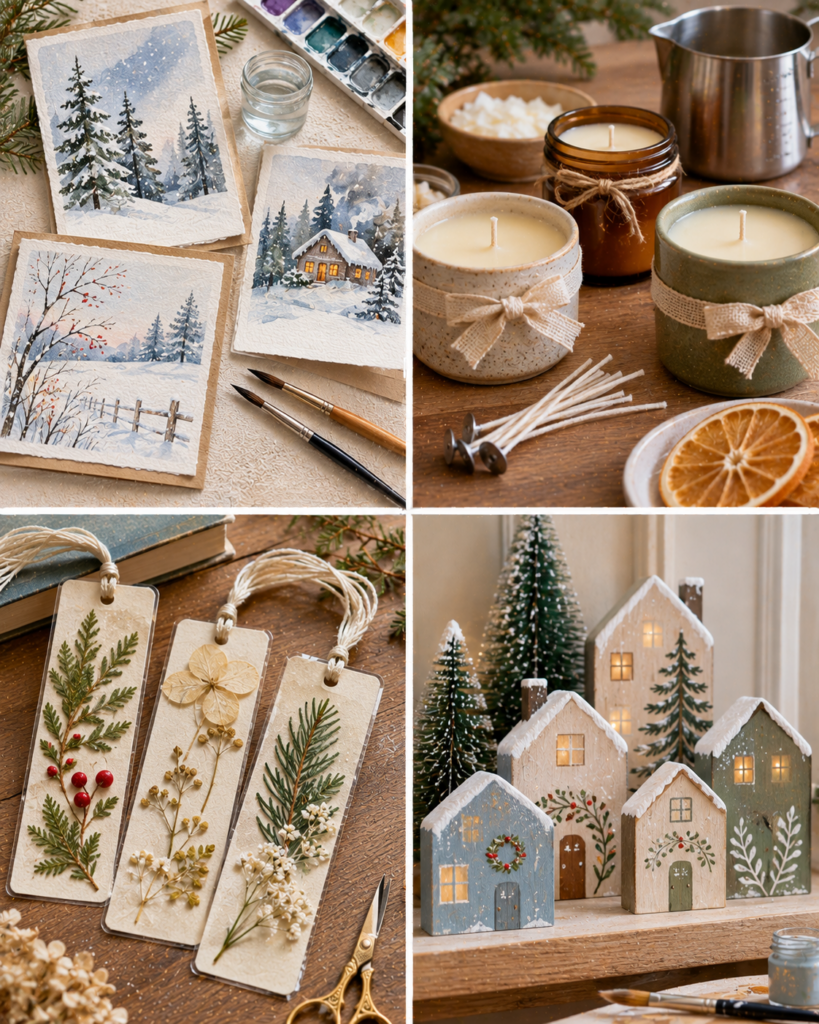
- Pressed evergreen card set
- Paper star lantern (LED only)
- Winter watercolor postcards
- Upcycled sweater pillow cover
- Simple macrame snowflake ornament
- Mini tabletop trees from yarn and cones
- Beeswax wrap for winter picnic snacks
- Hot cocoa gift caddy (crafting the packaging)
- Photo transfer on wood slice ornament
- Fabric scrap rag wreath
Beginner friendly option
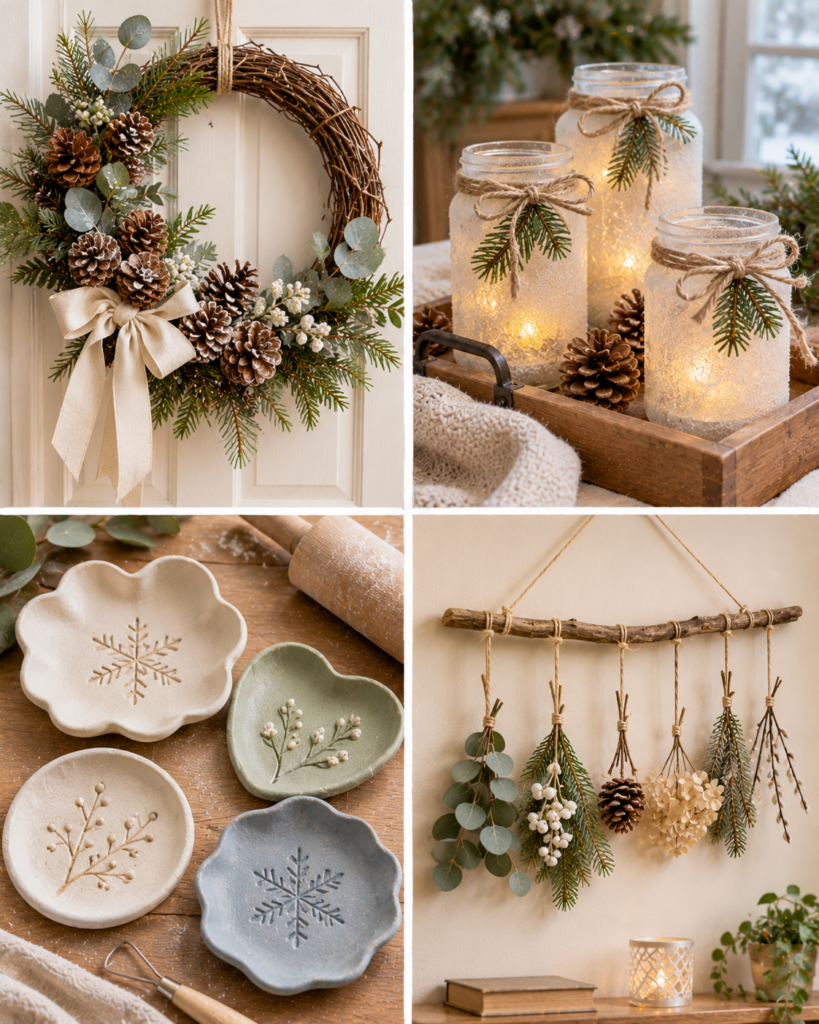
Start with mason jar luminaries or painted pinecones. They require minimal measuring, the materials are easy to find, and the “handmade charm” works even if every jar is slightly different. If you want a low-mess evening, try a felt ball garland using pre-made felt balls and sturdy twine.
Budget friendly option
Use what you already have: cardboard stars wrapped with yarn, scrap-fabric rag wreaths, paper snowflakes from recycled mail, and upcycled sweater pillows. Thrift stores are excellent for wool sweaters, baskets, and neutral ribbon. For more seasonal crossover ideas, you can also repurpose leftover materials from Thanksgiving crafts for adults, like burlap, twine, and mini pumpkins painted white.
Creative and personalized option
Photo transfer ornaments, monogrammed hoop art, and customized gift tags make your decor feel truly yours. If you craft alongside kids during the holidays, pair your project with simple activities from these Christmas crafts for kids so everyone stays happily busy.
Practical instructions and techniques
Instead of 20 separate full tutorials, these core techniques cover the majority of winter crafts for adults. Master these and you can confidently adapt almost any project idea above.
- Create a simple color plan: Choose 2 neutrals (white, cream, kraft brown, gray) plus 1 accent (forest green, burgundy, icy blue). This keeps mixed materials looking intentional.
- Build strong bases first: For wreaths, attach greenery to a wire frame before adding bows and accents. For garlands, string and space main elements first, then add smaller fillers.
- Use the right glue for the job: Hot glue is fast but can pop off smooth glass or cold outdoor surfaces. Tacky glue grips porous materials better but needs drying time. For glass jars, use double-sided tape for ribbon bands and reserve glue for accents.
- Wreath assembly method (reliable for beginners):
- Wrap the frame with floral tape or ribbon to reduce slipping.
- Lay greenery in one direction, overlapping like shingles. This hides stems and looks full.
- Wire or twist-tie thicker stems; use hot glue only for light accents.
- Add a bow last so you can center it visually from across the room.
- Paint like a pro (without being one): Dry-brush white acrylic over pinecones or twigs for a snow-dusted look. Use very little paint, wipe excess on paper towel, then lightly drag across texture.
- Seal when it will be handled: Ornaments, coasters, and tags benefit from a thin water-based sealer. Let coats dry fully so they do not stay tacky in storage.
These steps matter because winter decor often includes texture and natural elements, and structure is what keeps it from shedding, drooping, or falling apart after a week.
Common mistakes and troubleshooting
Even relaxing winter crafts for adults can go sideways when materials behave differently than expected. Here are fixes that save projects instead of scrapping them.
- Problem: hot glue strings everywhere. Use a lower-temp gun, wait a few seconds before lifting, and keep a small bowl of cool water nearby. Dip fingertips briefly to remove glue strings safely once glue cools, not while molten.
- Problem: wreath looks lopsided on the door. Add weight opposite the heavy side using extra greenery, or shift the hanger point. A simple trick is to tie the hanging loop slightly off-center toward the heavier side.
- Problem: paper curls or warps. Use heavier cardstock, apply glue sparingly, and burnish folds with a ruler edge. For watercolor cards, tape paper edges to a board while painting and let it dry flat.
- Problem: paint looks streaky on pinecones or wood. Apply two thin coats rather than one thick coat. Thick paint fills texture, which removes the “wintery” look.
- Problem: salt dough ornaments puff or crack. Roll evenly, poke a clean hole before baking, and dry at low temperature. Let them cool fully before sealing to prevent trapped moisture.
Reader testimonial: “I tried the dry-brushed pinecone trick with leftover acrylic paint and it immediately made my table look like a winter centerpiece. My first attempt was too white, but wiping the brush almost dry fixed it. I ended up making a whole bowl for my entryway.”
Finishing and styling tips
The finishing touches are what elevate winter crafts for adults from “cute project” to decor you want to keep up all season. Focus on consistency, texture, and placement.
- Repeat materials: If your wreath uses burlap ribbon, echo that ribbon on gift tags or jar luminaries. Repetition makes separate crafts look like a coordinated set.
- Add soft texture: Layer crafts near knit throws, baskets, or a wool runner. Winter styling looks best when hard surfaces (glass, metal) are balanced with soft elements (felt, yarn).
- Choose warm lighting: Warm-white LEDs look cozier than cool-white. Tuck lights behind jars, inside lanterns, or along garlands. Avoid placing lights where they will be pinched by doors or drawer edges.
- Use odd numbers: Group candles, jars, or mini trees in sets of three or five for a natural-looking arrangement.
- Protect high-touch items: If a mug cozy or pillow cover will be used daily, reinforce seams, tie off yarn ends securely, and consider gentle hand washing rather than machine washing.
Finally, step back 6 to 8 feet and view your project where it will live. Small adjustments to bow tails, spacing, and symmetry are easier to spot from across the room.
Storage and care
Good storage makes winter crafts for adults worth the effort because you can reuse them year after year. The goal is to prevent crushing, moisture damage, and scent transfer.
- Ornaments and fragile items: Store in compartment boxes or reuse egg cartons inside a lidded bin. Wrap delicate pieces in tissue paper, not newspaper, which can transfer ink.
- Wreaths: Use a wreath storage bag or hang them in a closet. If you must stack, keep the bow facing up and place a light cardboard circle between wreaths.
- Paper crafts: Keep flat in document boxes with silica gel packets to reduce humidity. Avoid basements and attics where temperature swings warp paper.
- Scented items: Dried orange slices and cinnamon sachets should be stored in breathable bags. Fully sealed plastic can trap moisture and cause mold.
- Textiles: Wash or air out pillow covers and mug cozies before storing. Store with cedar blocks if moths are a concern, but keep cedar from touching delicate fabrics directly.
Before packing away, take a quick photo of each display. Next year, you will have an instant “setup guide” for your mantel or table.
Frequently Asked Questions About Winter Crafts for Adults: 20 Cozy DIY Projects
What are easy winter crafts for adults?
Easy winter crafts for adults include mason jar luminaries, painted pinecones, paper snowflakes, and felt garlands. These projects use simple skills like cutting, gluing, and dry-brushing paint. Choose materials that forgive mistakes, such as felt and twine. If you are new to crafting, start with one repeatable item like three matching jars so you can practice and improve as you go.
What can adults make on a snowy day?
On a snowy day, pick indoor crafts with minimal drying time and cozy payoff: a rag wreath, embroidered ornaments, a yarn-wrapped star, or handmade cards. If you want something practical, make no-sew rice hand warmers using fleece and a simple folded closure. Prep a tray with all tools before you start so you do not have to hunt for scissors or glue mid-project.
What winter decorations can you make after Christmas?
After Christmas, shift to “winter-only” decor that does not feel holiday-specific. Great options are white and wood-toned ornaments, snowflake garlands, evergreen hoops without red accents, and neutral jar lanterns. Avoid obvious symbols like Santa motifs and swap bright red ribbon for cream, gray, or forest green. This is a smart way to keep your home feeling seasonal through January and February.
What supplies do you need for winter crafts?
For most winter crafts for adults, you need a few adhesives (hot glue, tacky glue, tape), cutting tools (scissors, craft knife, mat), and basic paints. Add seasonal items like felt, yarn, twine, pinecones, faux greenery, and LED lights. If you are buying on a budget, choose one neutral ribbon and one accent ribbon, since ribbon upgrades wreaths, tags, jars, and gift wrap quickly.
What are inexpensive indoor craft projects?
Inexpensive indoor projects include paper stars, recycled-cardboard gift tags, painted branch decor, and upcycled sweater pillow covers. Thrifted sweaters and scrap fabric can become garlands, mug cozies, or patchwork-style table runners. Focus on projects that use small amounts of materials and rely on texture rather than expensive embellishments. A single skein of yarn can cover multiple mini projects if you plan your color palette first.
Final thoughts
Winter crafts for adults are at their best when they feel calming, useful, and personal. Start with one technique, such as dry-brushing pinecones or building a simple wreath base, and then repeat it across a few coordinated projects. You will build confidence quickly, and your home will look thoughtfully styled rather than cluttered. Your next step is simple: pick one quick win for tonight (like a jar luminary) and one weekend project (like a wreath or pillow cover). Gather supplies, set up a protected workspace, and enjoy making your winter feel handmade.