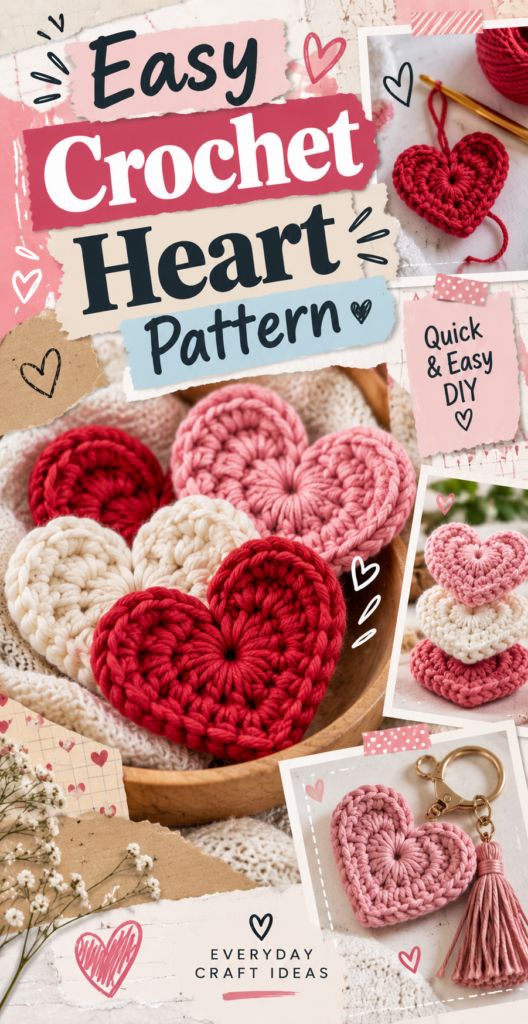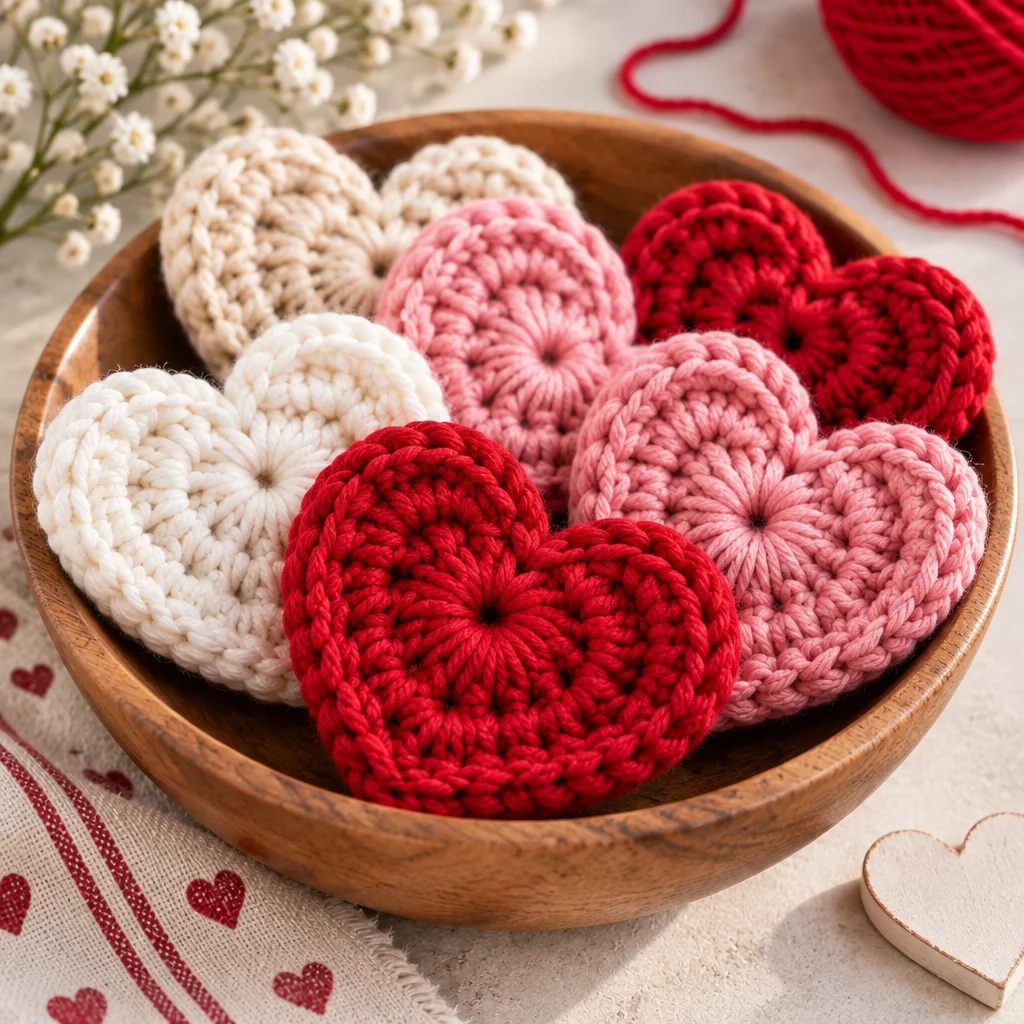
If you are searching for a crochet heart pattern that is genuinely easy, quick, and beginner-friendly, you are in the right place. Crochet hearts are one of those small projects that teach big skills: working in the round, shaping with different stitch heights, and finishing neatly. They are also wonderfully useful. You can turn them into keychains, appliqués, garlands, gift toppers, or sweet little pockets for notes. In this tutorial, I will walk you through an easy heart that works up fast in almost any yarn, with clear steps and practical tips for avoiding common mistakes. You will also learn how to resize the heart, keep it from curling, and add a hanging loop for ornaments and bookmarks.
Materials and Yarn
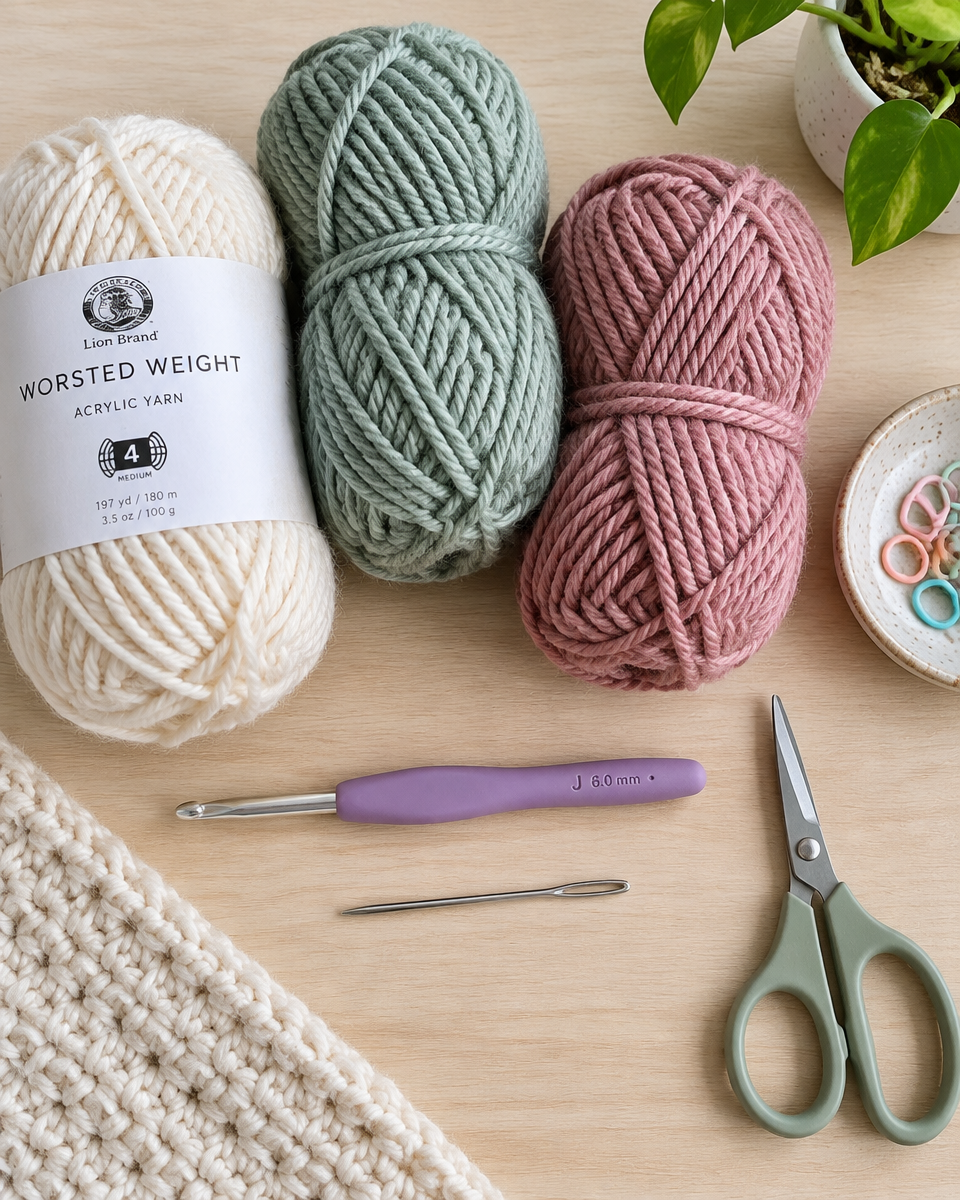
A good crochet heart starts with a few basic tools and a yarn choice that matches your goal. Hearts made as appliqués can be thin and flat, while hearts meant for keychains or decor can be thicker and sturdier. Keep it simple for your first try. Choose one smooth yarn in a light or bright color so you can see your stitches clearly.
- Yarn: Worsted weight (category 4) is the easiest for beginners because it is not too thin and not too bulky. Smooth acrylic or cotton helps you see stitch definition.
- Crochet hook: Use the size recommended on your yarn label as a starting point. You can adjust later to change firmness and size.
- Scissors: Sharp craft scissors make clean ends that weave in more easily.
- Tapestry needle: For weaving in ends and sewing hearts onto other items. A blunt tip is safer and slides through stitches without splitting yarn.
- Stitch marker (optional): Helpful if you lose your place, especially when learning to count chains and stitches.
- Blocking supplies (optional): A blocking mat or towel and pins help you flatten and shape the heart for a crisp look.
If you are making hearts for children under 3, avoid adding small buttons, beads, or dangling pieces that could be a choking hazard. Choose embroidery or crocheted details instead.
Best Yarn and Hook Size
The best yarn depends on how you plan to use the heart. For a first attempt, worsted weight yarn is easy to handle because the stitches are large enough to see without making the project bulky. Start with the hook size recommended on your yarn label, then adjust if needed. A slightly smaller hook can create a firmer fabric, while a larger hook generally produces a looser, more flexible heart.
Here is a practical guide for choosing:
- Appliqué hearts: Use cotton or a cotton blend with a hook 0.5 mm smaller than the label suggests. The slightly tighter fabric helps the heart lie flatter.
- Ornaments and garlands: Smooth acrylic or cotton works well and makes the stitches easy to see. Once you’re comfortable with the pattern, you can experiment with decorative or sparkly yarn for a different look.
- Keychains: Choose a durable yarn like cotton and use a smaller hook for a dense stitch fabric that will not stretch as quickly.
Gauge is not critical for a single heart, but tension matters. If your stitches are very loose, the heart can look floppy and the holes will be larger. If your stitches are extremely tight, it may curl and be harder to insert the hook. Aim for even stitches that glide comfortably on the hook.
Easy Crochet Heart Pattern
This crochet heart pattern is designed to be fast and satisfying. It uses a magic ring and builds two rounded “lobes” at the top, then tapers to a point at the bottom. Abbreviations used: ch (chain), sl st (slip stitch), sc (single crochet), hdc (half double crochet), dc (double crochet), tr (treble crochet).
Skill level: Beginner
Yarn: Worsted weight (category 4) yarn
Hook: 5.0 mm hook, or a size that works comfortably with your yarn
Main stitches used: Chain (ch), slip stitch (sl st), single crochet (sc), double crochet (dc), treble crochet (tr)
Construction: Worked in the round from the center
Gauge: Not critical for this project; your yarn, hook size, and tension will determine the finished size.
Start the Center
- Make a magic ring. Wrap yarn around your fingers and pull up a loop. This creates an adjustable center so the heart will not have a hole in the middle.
- Chain 2. This helps you begin building height for the first stitches. It does not count as a stitch in this pattern.
- Work the first cluster into the ring: 3 tr, 4 dc, 1 tr. This sounds like a lot, but it forms one rounded side of the heart and starts the top curve. Taller stitches create the bulge; shorter stitches later create the dip and sides.
Shape the Heart
- Make the center dip: ch 1, then 1 sc into the ring. The chain gives a tiny separation and the single crochet pulls the top center down slightly.
- Work the second cluster into the ring: ch 1, then 1 tr, 4 dc, 3 tr. This mirrors the first side and creates the second rounded lobe.
- Create the point: ch 2, then sl st into the ring. The chain length forms the bottom tip. If you want a sharper point, use ch 3. If you want a softer point, use ch 1.
Join and Finish
- Tighten the magic ring. Pull the tail firmly but smoothly to close the center. If it resists, tug gently on the stitches to loosen them and try again.
- Secure the round. Sl st into the first stitch cluster area to settle the shape, then fasten off with a 6 to 8 inch tail.
- Weave in ends. Use a tapestry needle and weave through the backs of several stitches in different directions. This prevents the tail from slipping out with use.
- Optional shaping: Gently tug the top curves outward and pinch the bottom point. Light blocking makes a big difference for a crisp heart.
How Do You Crochet a Heart for Beginners?
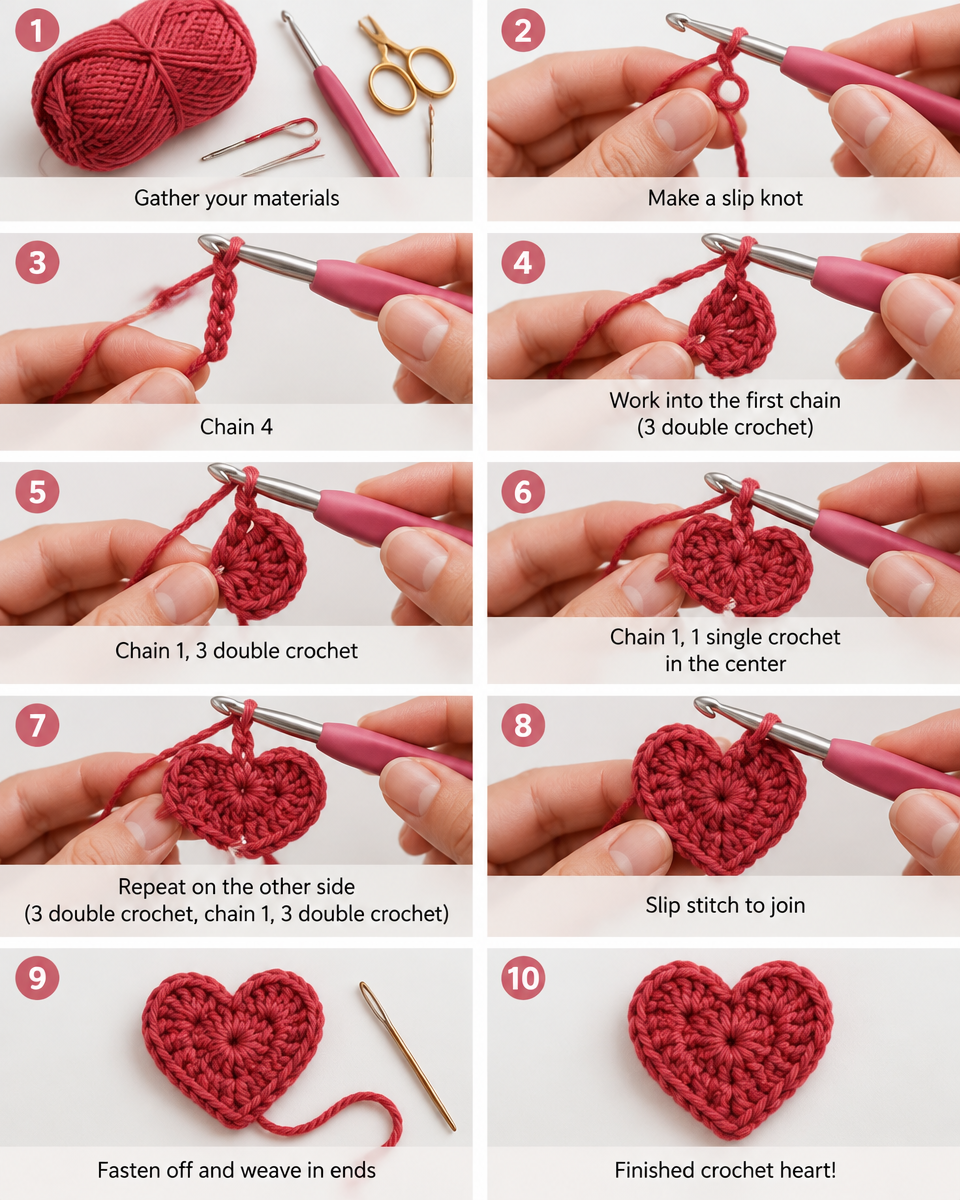
If you are brand new to crochet, the trick to making this crochet heart pattern feel easy is to focus on two things: recognizing stitch height and counting slowly. You will use several stitch types in one small piece, but each has a job. Treble crochets are tall and create the rounded top. Double crochets fill in the sides. A single crochet pulls down the center dip. Once you understand that purpose, the pattern becomes logical instead of random.
Beginner-friendly tips:
- Practice the stitches first if needed. If treble crochet is new to you, make a few practice stitches before starting the heart. The main pattern uses single crochet, double crochet, treble crochet, chains, and slip stitches, so getting comfortable with those stitches will make the first heart easier.
- Work over the ring tail. When you crochet into the magic ring, trap the yarn tail under your stitches for extra security.
- Pause after each stitch group. Check that your heart has two similar sides before you close the ring. If one side looks smaller, you may have missed a yarn over in a treble crochet.
- Use a lighter yarn color. Dark yarn hides stitch detail and makes learning harder.
How Do You Make a Crochet Heart Bigger?
To make your crochet heart bigger, you have two simple options: use thicker yarn with a larger hook, or add an edging round. Changing to a bulkier yarn can noticeably increase the finished size without changing the basic stitch sequence, although the exact size will depend on your yarn, hook, and tension.
If you want a larger heart but with the same yarn, add a border round after the heart is finished:
- Do not fasten off. After you finish the heart, continue with an edging round around the outside.
- Work single crochets evenly around. Place 2 sc in the bottom point to keep it sharp, and 2 to 3 sc around the top curves where the stitches are taller.
- Add height where needed. If the top looks too flat, place a dc or hdc on the outermost top curve stitches. This adds roundness without distorting the center dip.
- Join with a slip stitch and fasten off. Weave in the end securely.
Edging rounds can be repeated to grow the heart further. Just keep your increases concentrated at curves and points so the heart stays heart-shaped instead of turning into a ruffle.
How Do You Make a Crochet Heart Keep Its Shape?
A crochet heart can lose shape when stitches are too loose, the yarn is very slippery, or the piece is handled a lot. For a neat heart that stays recognizable, focus on firmness, finishing, and optional blocking. Using cotton yarn with a slightly smaller hook often gives the best definition because cotton has less bounce than acrylic.
Practical ways to improve shape:
- Tighten the center ring fully. A loose ring makes the heart look like two bumps instead of a solid shape.
- Even out tension. If one side is taller, it usually means some treble crochets were pulled tighter than others. Try to keep yarn feed consistent through your fingers.
- Block for a crisp outline. Check the yarn label for care instructions first. For cotton, you can lightly dampen the heart, gently shape it, pin it flat, and let it dry completely. If you’re using acrylic or another synthetic yarn, avoid direct contact with a hot iron and follow the yarn manufacturer’s care recommendations.
- Stiffen if needed. If you’re making a decorative ornament and want a firmer finish, use a fabric stiffener that is suitable for your yarn or fiber. Test it on a small sample first and follow the product directions.
If you are sewing the heart onto another project, tack down the top curves with a few extra stitches. This prevents the lobes from flipping up over time.
Can You Crochet a Heart Without a Magic Ring?
Yes. You can make this crochet heart without a magic ring by starting with a small chain loop instead. The only difference is that you will start with a small chain loop instead of an adjustable ring. The center may have a tiny hole, but it is usually barely noticeable, and you can close it further with your yarn tail.
To substitute the start:
- Chain 4.
- Slip stitch into the first chain to form a ring. Insert your hook into the first chain you made and sl st to close.
- Chain 2. Then work the same stitch groups into the center of that ring.
- Close the gap. When you weave in the starting tail, stitch around the center opening a couple of times and pull gently to snug it up.
If you find your chain ring is too tight to fit all the stitches, chain 5 instead of 4. The goal is to comfortably fit the clusters without forcing your hook, which can distort stitch heights.
What Can You Make With Crochet Hearts?
Once you have one crochet heart pattern you trust, it becomes a building block for dozens of projects. Hearts are quick enough to make in batches, which makes them perfect for scrap yarn and last-minute gifts. They also add a handmade touch without committing to a large project.
- Appliqués: Sew onto hats, bags, baby blankets, or sweaters. Use matching yarn for a subtle look or contrasting yarn for bold pop.
- Garlands: Make 10 to 30 hearts, block them flat, and string them onto a chain or cord for party decor.
- Gift toppers: Attach a heart to ribbon or twine on wrapped gifts. It looks like a tiny handmade tag.
- Keychains and zipper pulls: Make two hearts, stitch them together, and lightly stuff for a puffed heart. Add a keyring through a loop.
- Bookmarks: Add a long chain tail to the heart to create a sweet, flat bookmark.
- Scrap yarn projects: Mix colors for a patchwork-style heart collection and use them to decorate a wreath or wall hanging.
For items that will be handled often, consider cotton yarn and secure weaving of ends. Durability is mostly about firm stitches and good finishing.
How to Add a Hanging Loop
Adding a hanging loop turns the finished heart into an ornament, garland piece, or gift tag. The loop is simple, but placement matters. You want it centered so the heart hangs straight, not tilted to one side.
- Choose your loop location. The best spot is usually the center dip at the top of the heart, right above the single crochet area.
- Attach yarn if needed. If you already fastened off, insert your hook from back to front at the center top and pull up a loop of yarn.
- Chain for the loop length. Chain 10 to 18 depending on yarn thickness and how you will hang it. For worsted yarn, ch 12 to 14 makes a nice ornament loop.
- Anchor the loop. Slip stitch back into the same spot or into the nearby stitch on the opposite side of the dip for extra stability.
- Reinforce the loop. If the heart will be handled often, work slip stitches around the chain loop to make it sturdier, then fasten off and weave in the ends securely. Check the loop periodically if you’re using the heart as a keychain or bag decoration.
- Weave in ends securely. Tug the loop gently to confirm it will not slip before trimming.
If you are making a garland, you can skip separate loops and crochet the hearts directly onto a long chain, attaching each heart at the top center with a slip stitch.
Frequently Asked Questions About Easy Crochet Heart Pattern
Why does my heart look lopsided?
Lopsided hearts usually come from uneven tension or a missed yarn over in a treble crochet. Lay the heart flat and compare both sides. If one top lobe is smaller, count the tall stitches on each side and confirm the stitch order matches. Blocking can help minor asymmetry, but major differences are best fixed by redoing the round with slower, more even tension.
My magic ring will not close. What should I do?
This happens when the tail gets trapped or twisted. Try sliding your stitches gently around the ring to loosen them, then pull the tail again. If it still will not move, you may have crocheted into the tail itself. For the next attempt, keep the tail straight and crochet over it without piercing it. Chain-ring starts are also a perfectly fine alternative.
My heart is curling and will not lie flat. How can I fix it?
Curling is often a sign of tight stitches, especially with cotton. Go up one hook size or relax your grip slightly. You can also block the heart: pin it into shape and let it dry fully. If you added an edging round, too many stitches around the curves can cause ruffling, while too few can cause pulling and curling. Adjust by adding or removing increases at the top curves.
Can I use plush or chenille yarn for this crochet heart pattern?
You can, but it is harder to see stitches and count accurately, so it is not ideal for a first heart. If you do use plush yarn, size up your hook and work slowly, feeling for stitch placement with your fingers. Weave in ends extra securely because chenille can shed and loosen. For best results, make a test heart first to confirm the shape stays defined.
How do I make a puffy stuffed heart instead of a flat one?
Crochet two identical hearts, then place them wrong sides together and single crochet around the edge to join. Add small amounts of fiberfill before closing the final section, stuffing evenly into the top lobes and the bottom point. Use tight single crochets so stuffing does not show through. For a cleaner seam, work through both layers and keep your joining stitches consistent.
What is the best way to attach a crochet heart to fabric or another crochet project?
For fabric, use a tapestry needle and matching yarn or embroidery floss. Stitch through the outer edge stitches of the heart, taking small bites of fabric to avoid puckering. For crochet items, whip stitch or mattress stitch through the back loops gives a neat finish. Pin the heart in place first so it does not shift while you sew, especially on stretchy items.
Conclusion
This easy crochet heart pattern is a small project with big payoff: you practice multiple stitch heights, shaping, and clean finishing, and you get a sweet, useful piece at the end. Make one heart in a smooth worsted yarn to learn the flow, then experiment with cotton for crisp definition or bulky yarn for extra-cute, oversized hearts. If your first attempt looks a little uneven, do not worry. Most hearts improve immediately on the second try, especially after light blocking and careful weaving in of ends. Your next step: make three hearts in different yarns, compare the shapes, and choose your favorite version for garlands, appliqués, or gifts.