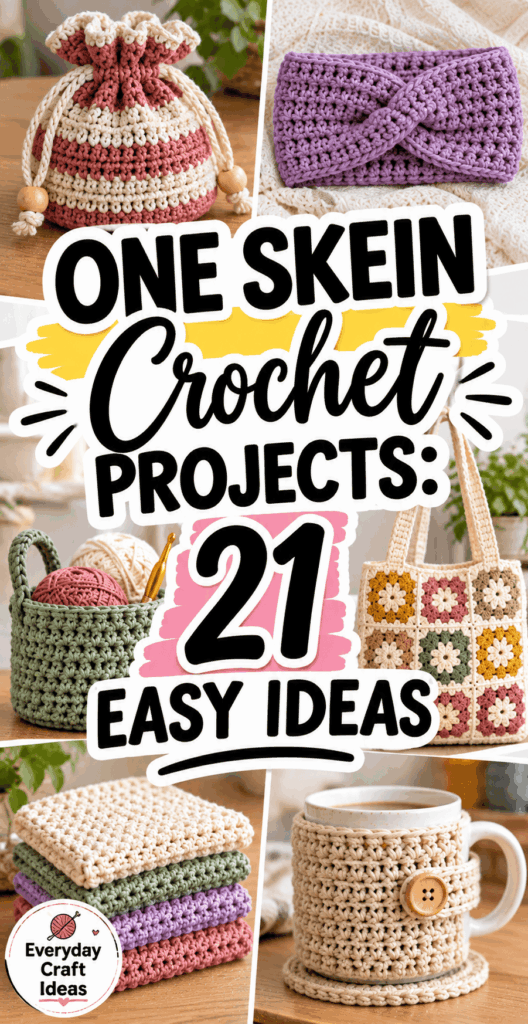
One Skein Crochet Projects: 21 Easy Ideas
One skein crochet projects are the sweet spot when you want a satisfying finish without committing to a full blanket or sweater. With a single skein, you can practice stitches, try new textures, and still end up with something useful like a headband, pouch, or set of coasters. This guide shares 21 easy ideas plus practical tips to help you choose the right yarn, estimate yardage, and avoid running out halfway through.
If you are brand new to crochet, start by reviewing a few beginner-friendly options and basic stitch explanations in this beginner crochet projects guide or browse the larger list in 25 easy crochet ideas for beginners. Then come back and pick a one-skein project that fits your time and skill level.
What you need to get started
Most one skein crochet projects require only a small set of tools, but having the right basics makes your stitches cleaner and your finishing neater. At minimum, you will want a crochet hook that matches your yarn label, a yarn needle for weaving in ends, and scissors that cut cleanly (ragged cuts can make the tail split and fray while you weave). Stitch markers are optional but extremely helpful when working in the round or when you need to count repeats.
Before you begin, decide what the finished item will do. A dishcloth needs absorbent, washable fiber (usually cotton). A headband benefits from a bit of stretch (wool, acrylic, or cotton blend). A basket needs structure (tighter gauge, thicker yarn, or held-double strands). Planning around function keeps your one skein crochet projects from turning into “cute but impractical” clutter.
- Crochet hook set or a single hook: Having two nearby sizes helps you adjust gauge if your fabric feels too stiff or too floppy.
- Yarn needle: A blunt tapestry needle slides between stitches without splitting yarn plies.
- Measuring tape: Useful for wearables (headbands, hats) and for checking size before you run out of yarn.
- Stitch markers: Great for marking round starts, button placement, and handle attachment points.
- Optional blocking tools: Pins and a blocking board can improve drape for lace bookmarks or shawlettes.
Yarn weight, skein yardage and hook sizing
“One skein” can mean 50 yards or 400 yards, so always check the label. Yardage is what matters most for planning one skein crochet projects. As a quick reference: many worsted-weight skeins are around 180 to 220 yards (100g), DK is often 250 to 300 yards (100g), and bulky yarn may be 100 to 150 yards (100g). Cotton dishcloth yarn balls can be 80 to 120 yards, depending on brand.
Hook sizing affects how far your yarn goes. A larger hook makes larger stitches, which can use more yarn per stitch but can also create a lighter fabric that needs fewer rows. A smaller hook makes denser fabric that often uses more yarn overall for the same dimensions. For baskets and cozies, dense is good. For wraps and lacy accessories, a more open fabric can stretch your yardage further.
When you are substituting yarn, match weight first (worsted to worsted), then compare yardage. If your substitute skein has less yardage, plan a smaller version or choose a project with flexible sizing like a cowl you can stop early, or coasters where you can make fewer pieces.
21 ideas and projects to try
Below are 21 one skein crochet projects that work well for beginners and intermediate crocheters. Many are “adjustable,” meaning you can stop when you get close to the end of the skein. For each idea, aim to leave a tail long enough to weave in securely, and remember that textured stitches (bobble, puff, popcorn) typically eat yarn faster than simple single crochet or half double crochet.
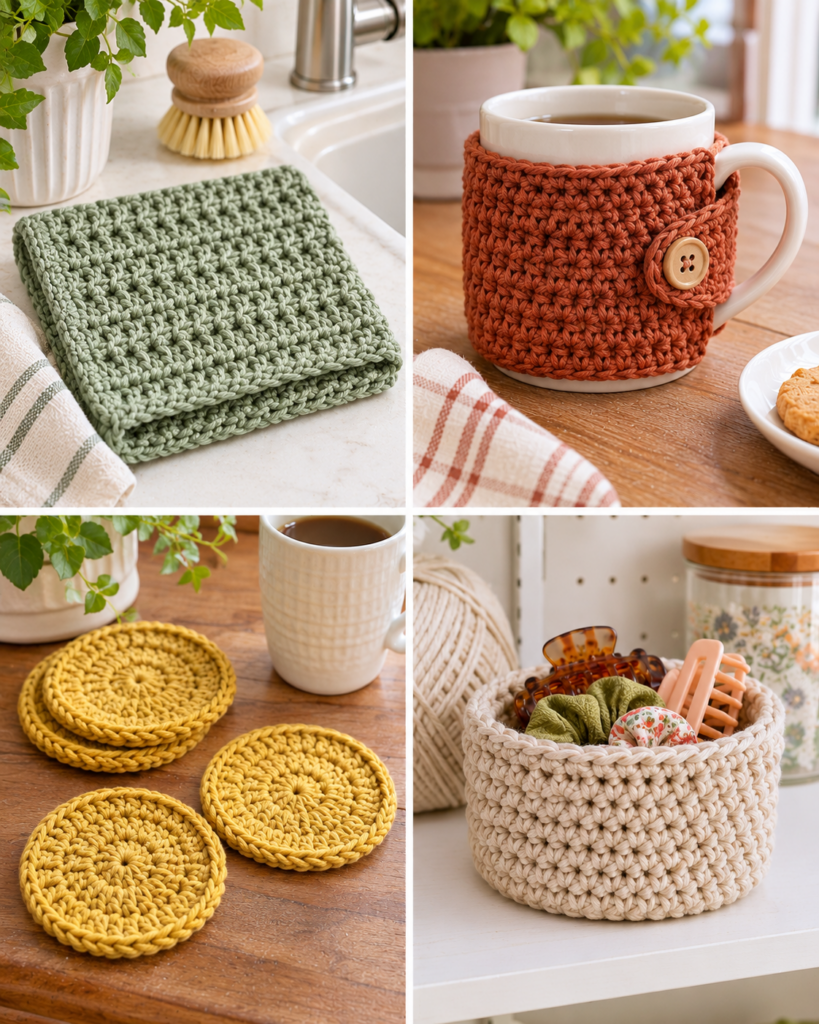
Simple dishcloths, headbands, coasters, bookmarks, scrunchies, mug cozies, small baskets and more
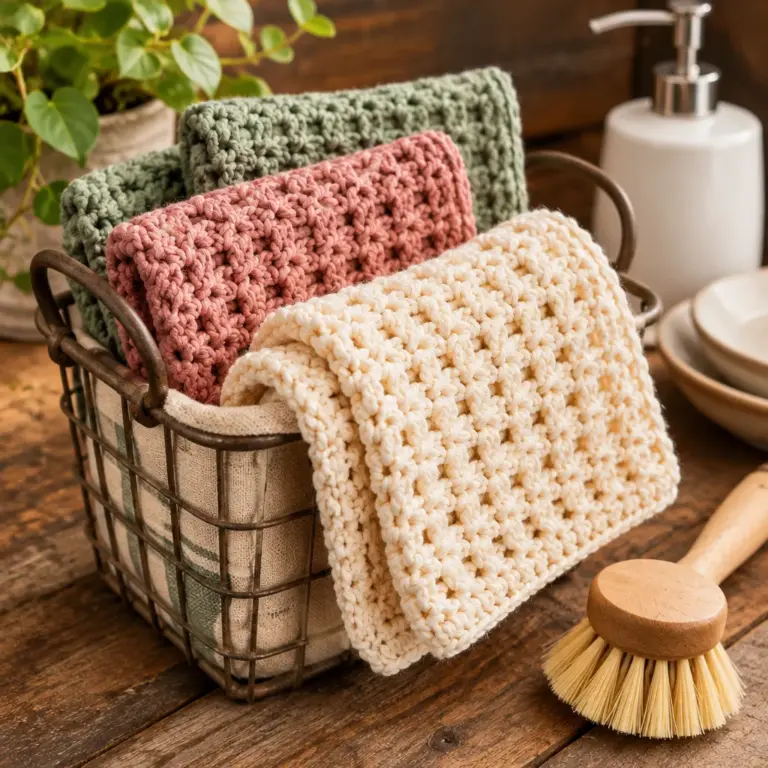
- Cotton dishcloth (square): Worsted cotton, simple double crochet or moss stitch. Great for practicing straight edges.
- Textured washcloth: Use lemon peel stitch (sc, dc alternating) for gentle scrub.
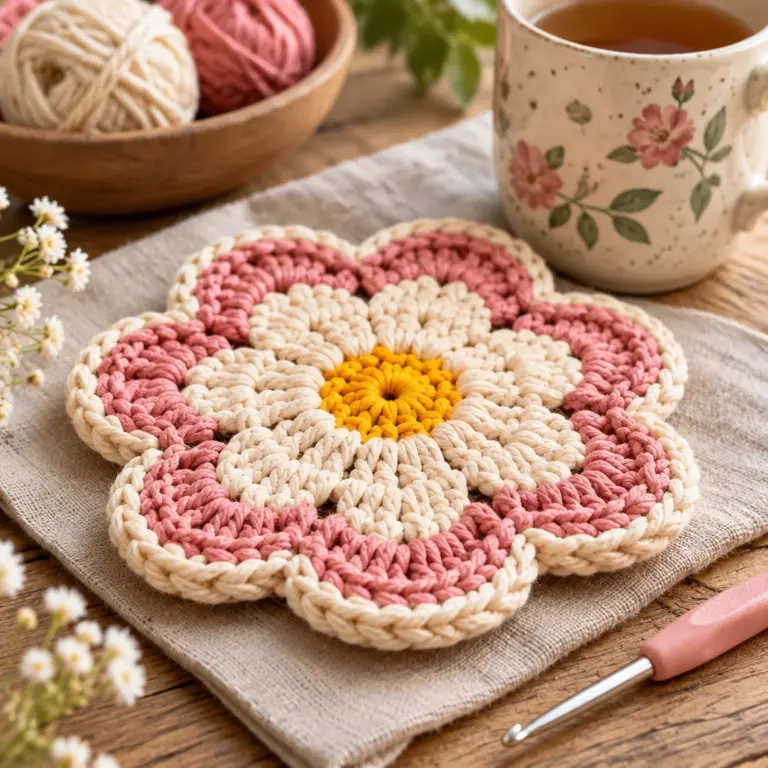
- Set of 4 coasters: Make circles or squares; cotton is best for heat resistance and easy washing.
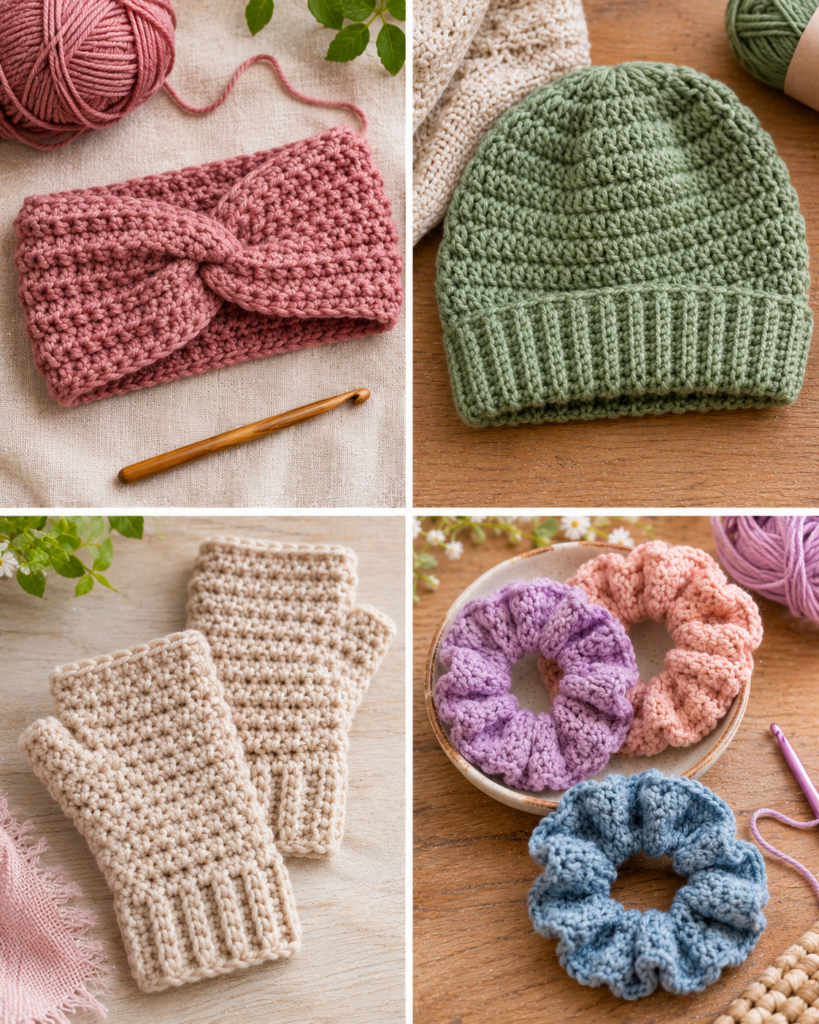
- Ribbed headband/ear warmer: Back loop only half double crochet for stretchy ribs.
- Twist-front headband: Two short panels seamed with a twist for a polished look.
- Simple beanie (child or small adult): One skein of worsted often works if you keep it plain (no huge pom).
- Newborn hat: Fast, giftable, and a good way to practice working in the round.
- Scrunchies (2 to 4): Wrap stitches around a hair elastic; use leftover yarn for a second one.
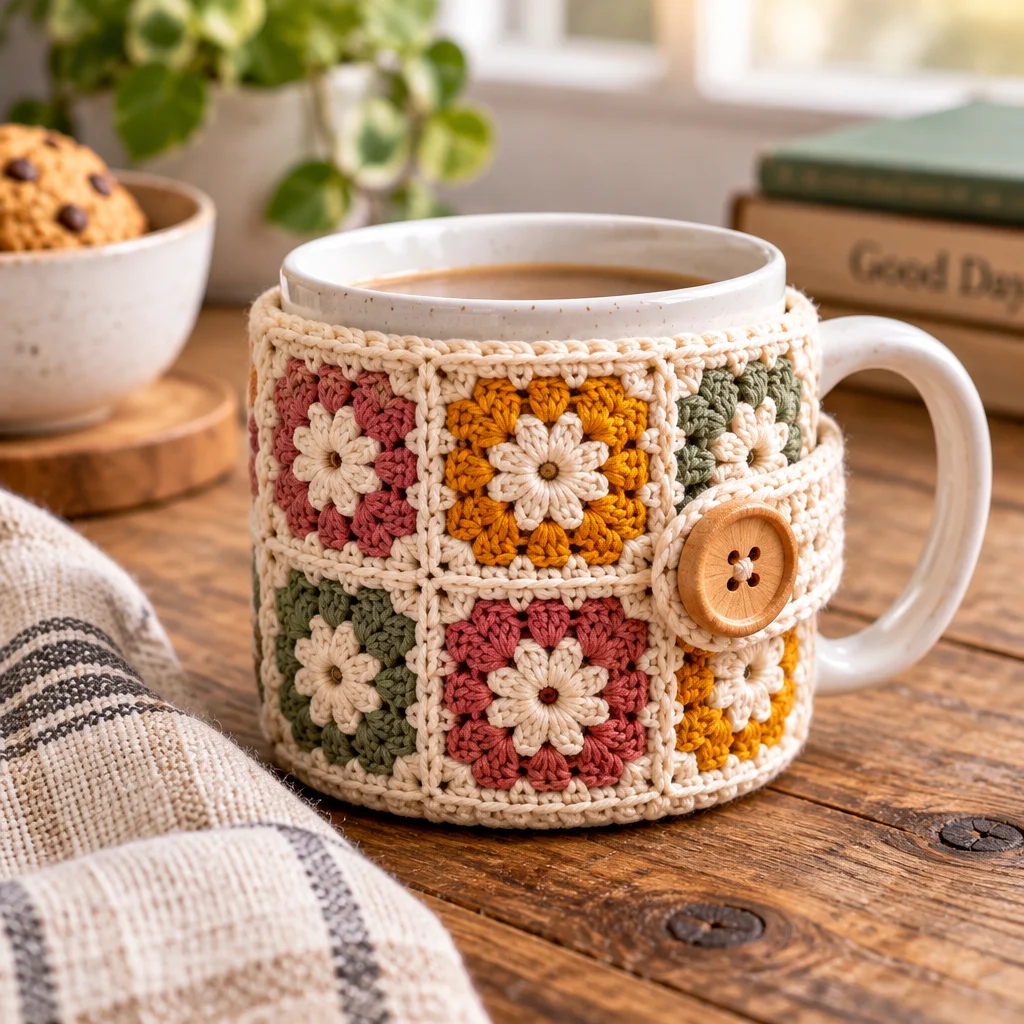
- Mug cozy: Single crochet rectangle with a button loop, or work in the round.
- Water bottle holder: Net stitch stretches; add a strap and stop when yarn runs low.
- Soap saver pouch: Cotton drawstring pouch that doubles as gentle exfoliation.
- Simple zip pouch cover: Crochet a sleeve and hand-sew around a zipper pouch for instant upgrade.
- Granny square tote (mini): Make 4 to 6 squares and seam into a small project bag.
- Market bag (small): Net stitch stretches; for more ideas, see this easy crochet bag pattern guide.
- Phone sleeve: Single crochet in the round; add a flap or button closure.
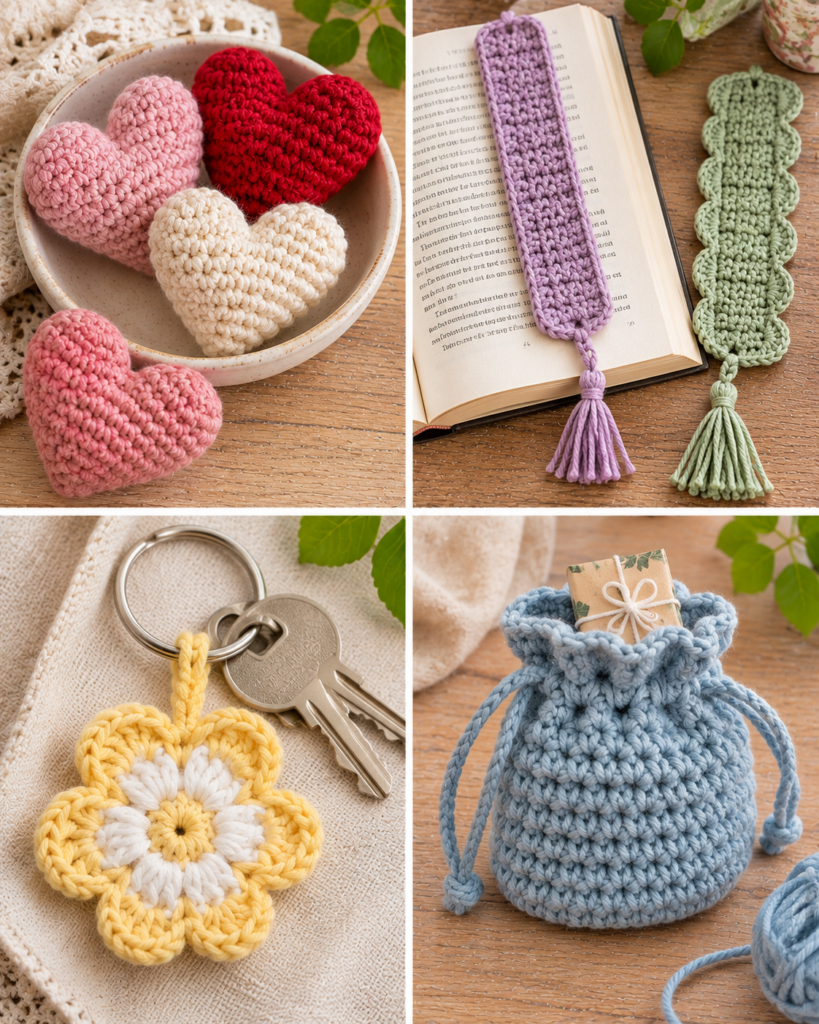
- Bookmark (simple lace): Cotton thread or light yarn; for a dedicated pattern collection, visit these easy crochet bookmark patterns.
- Keychain wristlet: Tight single crochet for durability; add a swivel clasp.
- Plant pot cozy: Cover a basic nursery pot; add eyelets and a tie for style.
- Small basket: Use tight single crochet and consider holding two strands together for stiffness.
- Reusable face scrubbies (set): Cotton rounds with a hanging loop; wash in a mesh bag.
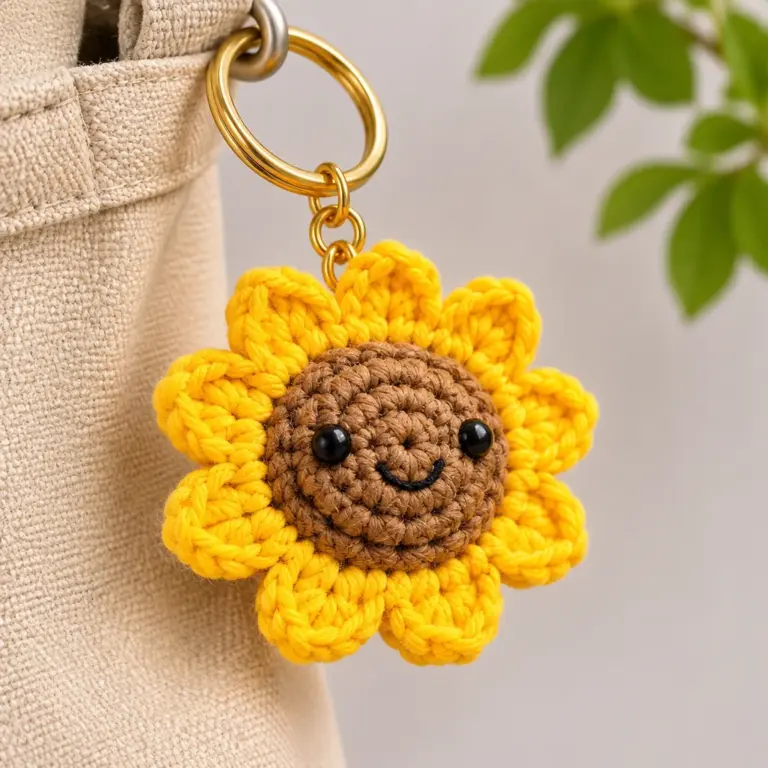
- Amigurumi mini: A small whale, octopus, or heart with safety eyes or embroidered eyes.
If you want to focus specifically on bags, you can also browse beginner-friendly crochet bag pattern ideas to find a one-skein-friendly size and stitch choice.
How to make and customize the projects
The beauty of one skein crochet projects is that you can treat many of them like “yarn meters.” You start, measure as you go, and stop when the yarn dictates. Customizing is mostly about choosing stitch pattern, edging, and closures that fit your skill and your yarn supply. The steps below apply to most of the items listed above, especially rectangles (dishcloths, headbands), tubes (beanies, cozies), and simple pouches.
How to check whether one skein is enough
- Read the label for yardage and weight: Write it down before you lose the band. You need the yard number to make smart adjustments.
- Make a small swatch (4 inches square if possible): Use your intended stitch. This reveals whether your fabric is too stiff and estimates yarn usage.
- Weigh your swatch (optional but accurate): If you have a kitchen scale, weigh the swatch and compare it to the skein weight to estimate total possible area.
- Plan a “bailout finish”: Decide in advance how you will end if yarn is low, such as a simple single crochet border instead of a fancy scallop edging.
- Leave yarn for finishing: Reserve 10 to 20 yards for seams, edging, and weaving in ends. New crocheters often use more for weaving due to extra security passes.
- Try it on or test-fit early: For headbands, wrap around your head before committing to a seam. For cozies, test around the mug or bottle.
Yarn substitutions, gauge and finishing
If you swap yarn, match fiber to function. Cotton is ideal for hot or wet items (dishcloths, coasters, soap savers). Acrylic is budget-friendly for wearables but can melt if used as a trivet or hot pad. Wool adds warmth and stretch but can felt if washed hot. For skin-contact items like headbands, choose a yarn that does not feel scratchy to you.
Gauge matters most when size must fit (headbands, hats, sleeves). If your stitches are larger than expected, go down a hook size to avoid running out early. If your stitches are tight and stiff, go up a hook size to improve drape. Finishing steps make small projects look professional: block flat items lightly, seam with a yarn needle using mattress stitch where possible, and weave in ends through multiple stitch directions to prevent popping out.
Supplies, cost, time and skill level
Most one skein crochet projects are affordable and quick, which makes them perfect for skill-building. A single skein typically costs $3 to $12 depending on fiber and brand, and many projects use only part of the skein. Cotton for dishcloths and coasters is usually on the lower end, while hand-dyed wool is higher but can make a simple headband feel special.
Time estimates vary by stitch and experience. A basic coaster might take 20 to 40 minutes. A headband usually takes 1 to 2 hours. A small basket or pouch may take 2 to 4 hours depending on density. Skill-wise, beginners can confidently tackle rectangles, coasters, scrubbies, and simple headbands after learning chain, single crochet, and double crochet. Working in the round (hats, baskets) is beginner-friendly too, as long as you can count stitches and place a marker.
“I tried a ribbed headband as my first one-skein project and it finally helped me understand back loop only stitches. I finished in one evening and still had enough yarn for a matching scrunchie. The tip about saving yarn for edging saved me from running out at the seam.”
Beginner mistakes and troubleshooting
- Wavy edges on dishcloths: Usually caused by adding stitches. Count each row and place a marker in the first and last stitch.
- Project getting narrower: You may be skipping the last stitch of each row. Turn, chain the correct amount, and work into the final stitch before turning.
- Running out of yarn too soon: Textured stitches use more yarn. Swap to a simpler stitch for the final third, or shorten length and add a border.
- Holes in amigurumi: Your hook may be too large. Size down and keep tension firm to prevent stuffing from showing.
- Coasters curling: Too few increases in a circle or tension too tight. Add increases evenly or go up a hook size.
Frequently Asked Questions About One Skein Crochet Projects: 21 Easy Ideas
Can you crochet a scarf with one skein?
Yes, but it depends on yardage, yarn weight, and stitch choice. With 200 to 250 yards of worsted yarn, you can often make a short scarf or a keyhole scarf, especially in a simple stitch like half double crochet or moss stitch. For a longer scarf, choose DK with higher yardage or use a lacy pattern that creates more length with fewer rows. Plan a slim width (4 to 6 inches) to avoid running out.
What can you make with 100 yards of yarn?
100 yards is great for small, high-impact items: a mug cozy, a small basket, a simple headband (especially in a narrower style), a pair of scrunchies, a set of two coasters, or a soap saver pouch. If you crochet tightly or use a textured stitch, 100 yards disappears quickly, so stick with compact projects. For best results, avoid large borders and long straps unless you are sure you have yardage to spare.
What yarn works best?
The best yarn depends on the project’s job. Cotton is best for dishcloths, scrubbies, coasters, and anything exposed to heat or frequent washing. Acrylic is easy-care for hats and headbands, but keep it away from high heat sources. Wool and wool blends are warm and elastic for wearables, though some people find them itchy. For one skein crochet projects, choose smooth yarns with good stitch definition so your work looks crisp and is easier to count.
How do I keep my edges straight on a one-skein rectangle project?
Use stitch markers in the first and last stitch of every row for the first 10 rows, or for the whole project if counting is tricky. Make sure you are working into the correct turning chain or not working into it, depending on the pattern. If you are making your own, choose a consistent rule and stick with it. Blocking a finished rectangle can also help even out minor edge wobble.
How do I join a new skein if I miscalculated?
If you add a second skein, join neatly to keep the project looking intentional. The most secure beginner method is to leave a 6-inch tail, crochet over the new yarn tail for a few stitches, then weave both tails in opposite directions. For slippery yarn, weave longer and change direction at least twice. Avoid knots for items that will be washed often, like dishcloths, because knots can loosen and feel lumpy.
How should I care for and wash these small crochet items?
Follow the yarn label first. Cotton dishcloths and coasters usually handle machine wash and dry, but they may shrink a little the first time. Acrylic wearables can be machine washed on gentle, but avoid high heat to reduce pilling and distortion. For wool, hand wash cool and lay flat to dry unless the label says superwash. For scrubbies and small items, consider washing in a mesh laundry bag so they do not disappear into the machine.
Final tips and next projects
One skein crochet projects are a smart way to build skills quickly because you get more finishes and more confidence, faster. Start with a functional item that matches your yarn choice, keep your stitch counts simple, and reserve yarn for borders and seams. If you are unsure about yardage, pick adjustable projects like coasters, scrubbies, or a bag you can stop early. Once you finish a few, you will naturally learn how different stitches affect yarn usage and drape.
Your next step: choose one project from the list, gather tools, and make a small swatch before you commit. If you want to keep going with similarly approachable ideas, revisit the beginner collections above, then try a slightly larger accessory like a small market bag or a simple hat using the same one-skein mindset.