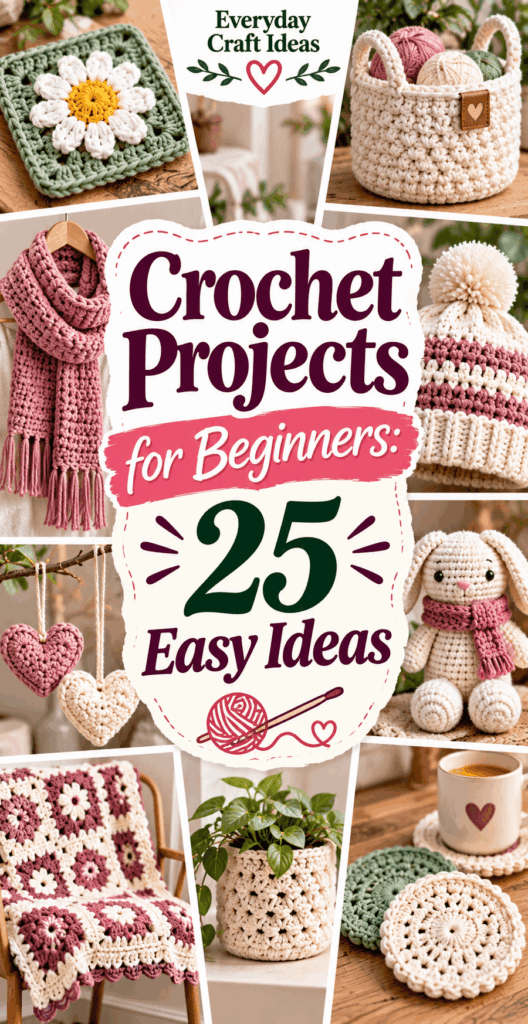
Crochet Projects for Beginners: 25 Easy Ideas
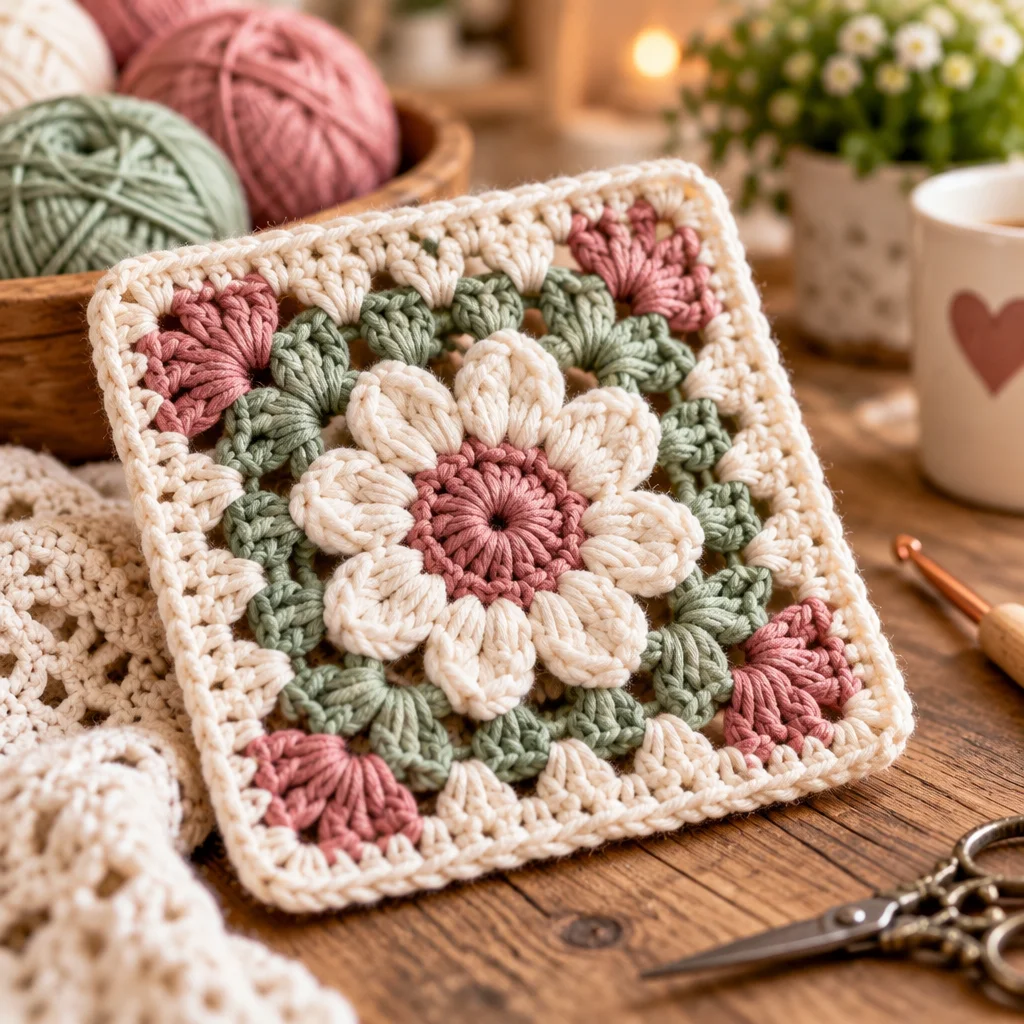
If you are searching for crochet projects for beginners that you can actually finish, you are in the right place. Crochet is one of the most forgiving crafts to learn because you can rip back mistakes and try again without wasting materials. In this guide, you will get 25 easy project ideas, plus the practical techniques that make beginner patterns feel doable. I will also point you to extra inspiration in this helpful collection of easy crochet projects for beginners when you want more options.
Most of these ideas use simple shapes like rectangles, circles, and tubes. That keeps the focus on building confidence with foundational stitches instead of complex construction. You will also learn how to choose yarn, match your hook, and finish neatly so your work looks polished. If you enjoy learning multiple crafts, you might also like these felt crafts for beginners for quick wins between crochet sessions.
Materials and tools needed
You do not need a huge kit to start making crochet projects for beginners. A few well-chosen supplies make learning smoother and prevent frustrating issues like split yarn or uneven tension. The goal is comfort, visibility, and easy care.
- Yarn (medium weight, worsted or aran): A smooth, light-colored acrylic or cotton yarn helps you see stitches clearly. Avoid fuzzy yarn at first because it hides stitch definition and makes counting harder.
- Hook (size H/8 or 5.0 mm is a common start): Many beginner-friendly yarn labels recommend a hook size. A slightly larger hook can make stitches looser and easier to insert into.
- Stitch markers: Use locking markers or even paper clips to mark the first stitch of a round, pattern repeats, or the right side of your work.
- Tapestry needle: Essential for weaving in ends and sewing simple seams. Choose a blunt tip so you do not split the yarn.
- Scissors and measuring tape: Clean cuts help with neat ends, and measuring keeps wearables and home items consistent.
If you plan to make amigurumi later, add polyester fiberfill and safety eyes, but hold off until you are comfortable with tight stitches and counting.
Skill level and estimated time
Most crochet projects for beginners fall into three time categories: quick practice pieces (15 to 45 minutes), useful small items (1 to 3 hours), and larger comfort projects (4 to 12 hours depending on size). Your first few attempts will be slower because your hands are learning how to hold yarn, regulate tension, and recognize stitch anatomy. That is normal.
Difficulty level: True beginner projects typically use one or two stitches and repeat them in rows or rounds. They also avoid shaping, colorwork, and complicated finishing. For example, a dishcloth in single crochet is easier than a hat because it is a flat square and does not require joining rounds or fitting.
Project sizing: Start small to get a finished object quickly. A coaster, headband, or simple pouch gives you a “complete” moment and teaches finishing skills like weaving ends and blocking. Then move on to larger rectangles like scarves, baby blankets, and lapghans.
Realistic pacing: If your hands get tired, stop. Crochet uses repetitive motion, and beginners sometimes grip too tightly. Short sessions with breaks will keep it fun and help you learn consistent tension faster.
Preparation and safety tips
Before you start any of these crochet projects for beginners, set yourself up for success with a little preparation. Good lighting is not optional. It reduces eye strain and makes it easier to see where your hook should enter. Sit with your shoulders relaxed and keep your wrists neutral, not bent sharply.
- Practice your starting chain: A too-tight chain is the number one reason beginners struggle on row two. If your chain looks stiff, go up a hook size just for the foundation chain.
- Check yarn label care: Dishcloth cotton can shrink, and some acrylics soften after washing. Knowing care instructions helps you choose the right yarn for the item.
- Use safety eyes correctly: If you make toys, safety eyes are not safe for children under 3 or for pets who chew. Embroider eyes instead for baby items.
- Take breaks: If you feel tingling or pain, stop and stretch your hands. Repetitive strain is preventable with good posture and rest.
Finally, read the pattern all the way through before you start. Even easy patterns may include a special join, an edging, or a note about turning chains that affects the final size.
Project ideas and variations
Here are 25 crochet projects for beginners you can start today. Each idea includes a simple direction so you can picture the construction, plus a small variation to make it feel personal.
Beginner friendly option
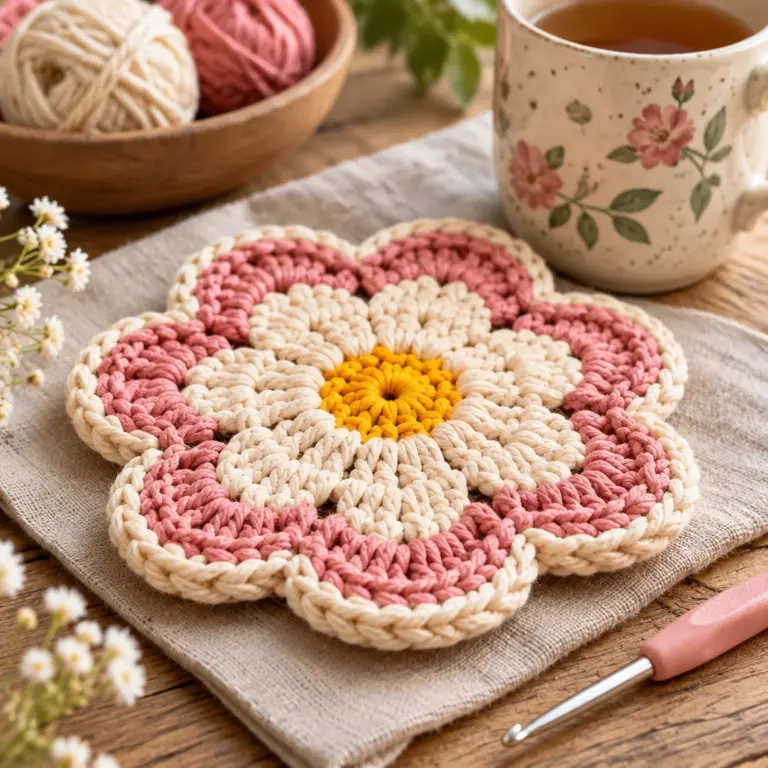
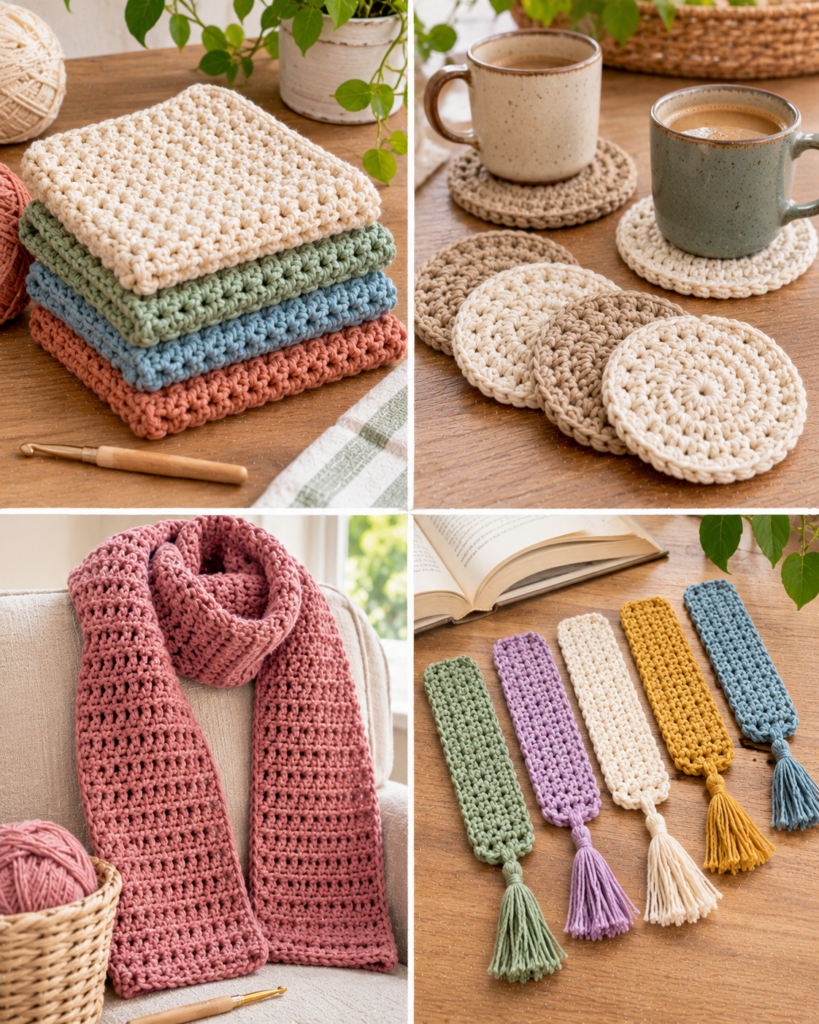
- 1. Coasters: Work single crochet (sc) in the round. Variation: add a final round in a contrast color.
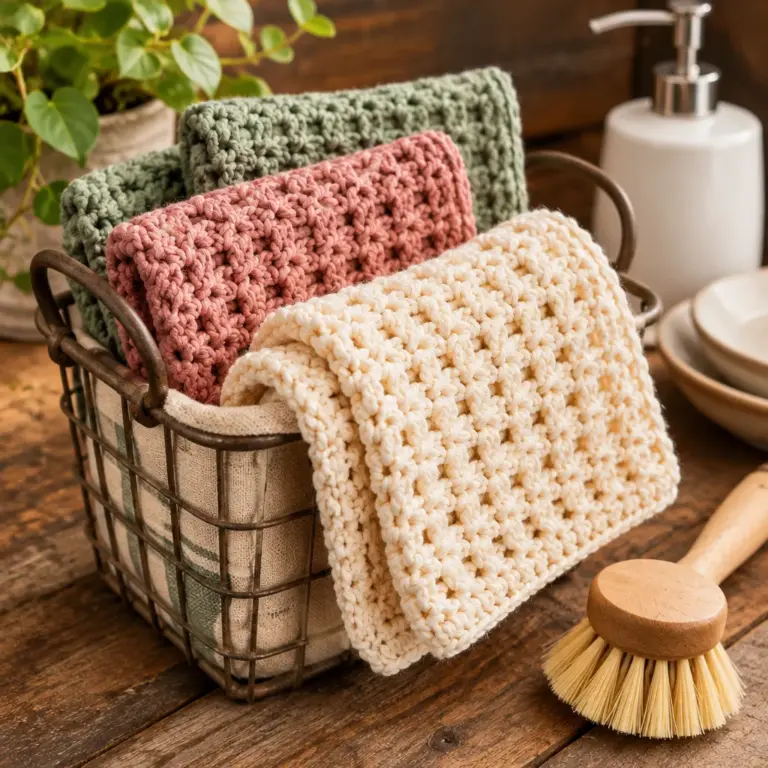
- 2. Washcloth: A square in sc or half double crochet (hdc). Variation: add a simple border of sc.
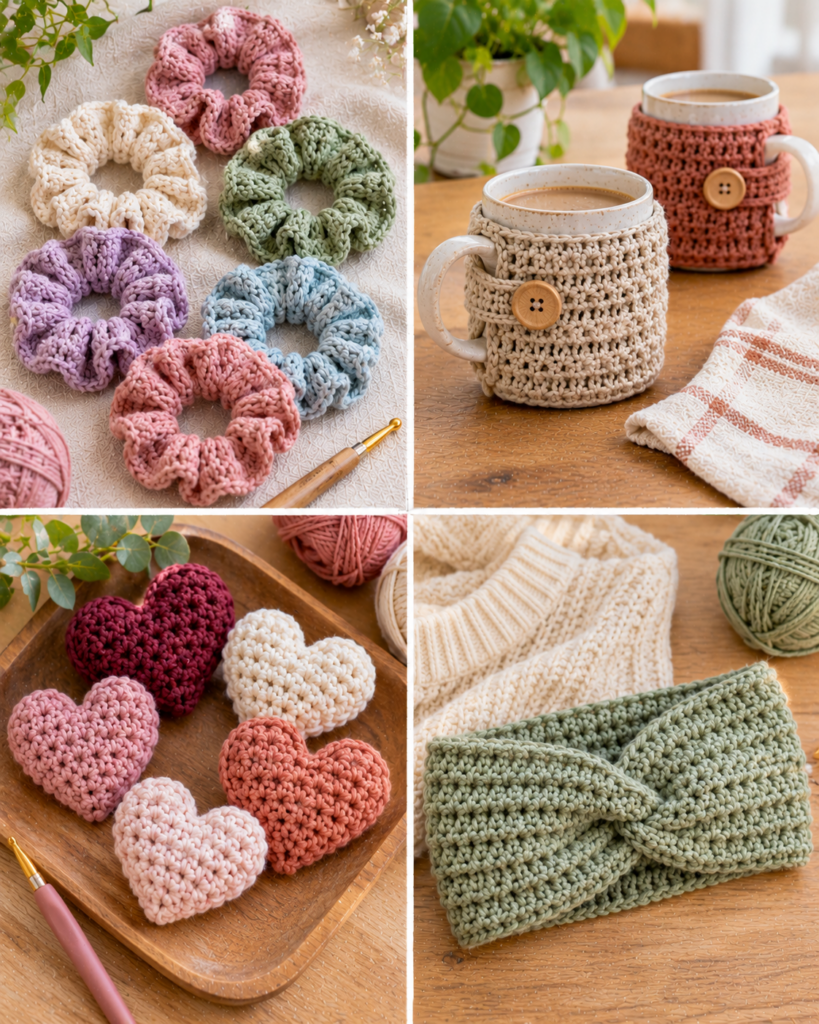
- 3. Mug cozy: Crochet a rectangle, sew ends, add a button loop. Variation: surface crochet an initial.
- 4. Simple scarf: A long rectangle in double crochet (dc). Variation: add fringe.
- 5. Headband/ear warmer: Hdc in rows, seam into a loop. Variation: twist front seam for a turban look.
- 6. Granny square: Classic cluster square. Variation: make it one solid color for a modern look.
- 7. Book sleeve: Crochet a flat panel, fold and seam sides. Variation: add a flap and button.
- 8. Face scrubbies: Small circles in sc. Variation: use cotton for better absorbency.
Budget friendly option
- 9. Reusable produce bag: Mesh stitch rectangle, seam sides. Variation: add a drawstring.
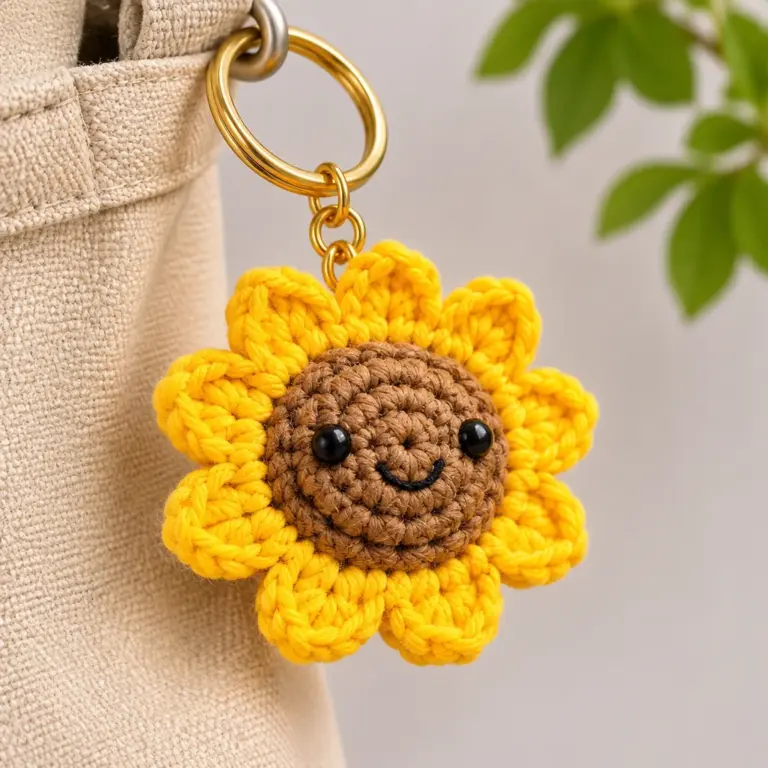
- 10. Keychain fob: A tight sc strap. Variation: add a metal ring and tassel.
- 11. Phone pouch: Simple tube in rounds. Variation: add a wrist strap.
- 12. Pencil cup cozy: Crochet a cylinder to wrap a recycled jar. Variation: add bobbles after you learn basics.
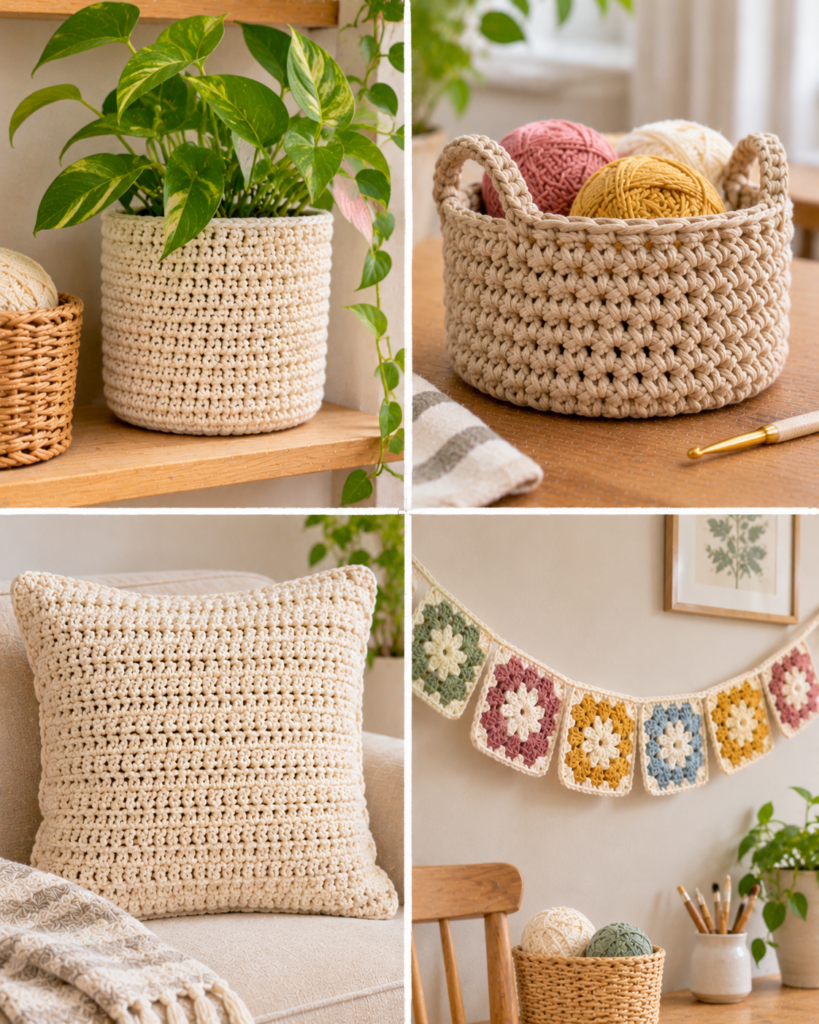
- 13. Plant pot cover: A tube with a flat base. Variation: add a fold-over rim.
- 14. Simple bunting: Small triangles in dc. Variation: spell a name with felt letters later.
- 15. Crochet cord bookmark: Chain plus slip stitches. Variation: add a small tassel.
- 16. Dish towel topper: Work a small strip and button it over a towel. Variation: use matching kitchen colors.
Creative and personalized option
- 17. Mini amigurumi ball: Single crochet sphere with increases and decreases. Variation: embroider a smiley face.
- 18. Pillow cover (simple panel style): Two rectangles, seam three sides, insert pillow form. Variation: use stripes.
- 19. Baby blanket (basic stripes): Dc rows with color changes. Variation: add a simple border in sc.
- 20. Beginner beanie: Hdc in rounds or a rectangle-seam hat. Variation: add a pom-pom.
- 21. Fingerless gloves (tube style): Crochet a tube and leave a thumb gap. Variation: ribbed cuff with back loop only stitches.
- 22. Simple tote bag: Two panels in hdc, seam sides and bottom, add straps. Variation: add a pocket.
- 23. Table runner: A long rectangle in a textured stitch like moss stitch. Variation: tassels on ends.
- 24. Holiday ornament (flat star): Small motif in rounds. Variation: stiffen lightly with fabric stiffener for crisp points.
- 25. Simple wall hanging: A triangle or rectangle plus fringe. Variation: add wooden dowel and tassels.
If you want a relaxing non-yarn craft between projects, these paper quilling ideas for beginners are another great way to practice hand skills and pattern following.
Practical instructions and techniques
The difference between frustrating and fun crochet projects for beginners is usually technique, not talent. Use these practical steps as your foundation, even if you switch patterns.
- Make a slip knot and test your grip: The slip knot should slide on the hook but not fall off. If it is tight, your first chain will be tight too.
- Chain with consistent size: Try to keep each chain loop the same height. If the chain twists, slow down and pinch near the hook to stabilize.
- Learn stitch anatomy: In most stitches you insert under the top two loops (the “V”). Knowing what you are aiming for prevents accidental increases.
- Use turning chains correctly: For sc, many patterns use chain 1; for dc, chain 2 or 3. The turning chain can count as a stitch or not. Decide based on the pattern and stay consistent.
- Count rows and stitches: Count at the end of every row for early projects. Place a marker in the first and last stitch to avoid losing edges.
- Practice clean color changes: Finish the last yarn-over of the stitch with the new color. This keeps the change crisp instead of knotty.
- Weave ends as you go: For stripes, weave ends every few rows. It prevents a giant finishing session and secures your work better.
When you are ready to make crochet-adjacent gifts, a simple handmade notebook pairs beautifully with a crocheted bookmark. Try this beginner bookbinding tutorial for a satisfying weekend project.
Common mistakes and troubleshooting
Every beginner hits a few snags, and most have easy fixes. Here are the most common issues I see in crochet projects for beginners and what to do next.
- Edges are wavy or flaring: You are likely adding stitches. Count stitches each row, and mark the first and last stitch. Make sure you are not working into the turning chain unless the pattern says it counts.
- Work is getting narrower: You may be skipping the last stitch of each row. Look for the tiny “V” right at the edge and place a marker there.
- Hard to insert hook: Your tension is too tight or your hook is too small for the yarn. Size up your hook and consciously loosen your hold on the working yarn.
- Holes in amigurumi: Use a smaller hook and tighten tension slightly. Single crochet for toys should be dense so stuffing does not show through.
- Twisted round joins: When joining a round, make sure the chain is not twisted before you slip stitch. For hats, consider working in a spiral and marking the first stitch.
“I thought crochet was too hard, but starting with a simple washcloth helped me understand tension and counting. My first one was lumpy, but by the third cloth I could see straight edges and neat stitches. The tip about using stitch markers on the corners saved me.”
Finishing and styling tips
Finishing is what makes crochet projects for beginners look intentional instead of homemade in a rushed way. Take a few extra minutes here and you will be proud of the result.
- Weave in ends securely: Thread the yarn tail onto a tapestry needle and weave through several stitches in one direction, then back in another direction. This “locks” the tail and prevents it from slipping out during washing.
- Block when it matters: Blocking means shaping your finished piece to correct dimensions. For acrylic, steam blocking is common, but do not press the iron directly on yarn. For cotton, wet blocking works well. Blocking is especially helpful for granny squares, scarves, and lacy items.
- Add simple edging: A single crochet border can hide slight unevenness and make a square look crisp. For a calmer look, use the same color as the project. For contrast, choose one shade darker.
- Neaten seams: Mattress stitch creates a flatter seam than whip stitch for many projects. For beginner hats made from a rectangle, seam with the right sides together for a cleaner exterior line.
Styling idea: group matching coasters with a crocheted basket, or tie a ribbon around a washcloth set for a gift that looks curated.
Storage and care
Good care keeps your early crochet projects for beginners looking nice while you build your skills. Always check the yarn label, but these general tips cover most common fibers.
- Acrylic: Usually machine washable and durable. Wash in cool to warm water and tumble dry low if the label allows. Acrylic can pill with friction, so avoid rough washing with heavy items.
- Cotton: Great for dishcloths and market bags. It can shrink and it can stretch when wet. Reshape flat items after washing and lay flat to dry if possible.
- Wool: Often needs gentle hand washing and flat drying. Beginners can absolutely use wool, but start with something small and avoid high heat.
Storage: Store clean, fully dry items in a breathable container. Avoid sealed plastic for long-term storage if you live in a humid climate. Keep projects away from snaggy Velcro, pet claws, and direct sunlight, which can fade bright colors. For WIPs, use a project bag so your yarn stays clean and your hook does not disappear into the sofa.
Common Questions
Why does my starting chain look tighter than the rest of my work?
This is extremely common in crochet projects for beginners because chaining uses a different hand motion than regular stitches. Try using a hook one size larger just for the foundation chain, then switch back for row one. Another fix is to consciously pull up the loop on your hook to match the height of your stitches. If your chain is too tight, your fabric may curl or your edges may pull in.
How do I keep my edges straight on a scarf or dishcloth?
Straight edges come from consistent stitch counts and finding the real last stitch of the row. Place a stitch marker in the first stitch you make and in the last stitch of each row until you can “see” them. Also confirm whether the turning chain counts as a stitch in your pattern. If you accidentally crochet into the turning chain sometimes but not always, the edge will wobble.
Is it better to learn in rows or in the round?
Rows are usually easier first because you only focus on turning and keeping edges consistent. Working in the round adds counting, joining or spiraling, and tracking the first stitch of each round. That said, small round projects like coasters are great practice if you use stitch markers. A balanced approach is to do one row project and then one round project so you build confidence in both methods.
What yarn is best for practicing and why?
Choose a smooth, medium-weight yarn in a light color. Light colors show stitch anatomy, and smooth plies make it easier to insert your hook without splitting. Acrylic is budget friendly and easy care for practice, while cotton is best when you are making functional items like dishcloths and scrubbies. Avoid eyelash, chenille, or very dark yarn until you can crochet by feel.
How do I fix a mistake without ruining everything?
If you notice a mistake within the last few stitches, gently pull the working yarn to unravel back to the problem area. This is called frogging. Insert your hook into the last correct stitch and continue. For small mistakes in non-structural areas, you can sometimes leave it and treat it as part of the handmade charm, especially on early practice items. The key is learning to recognize what went wrong.
My hands hurt when I crochet. What should I change?
Hand discomfort often comes from gripping too tightly, awkward wrist angles, or working too long without breaks. Try loosening your hold on both yarn and hook, and keep wrists neutral. Use a hook with a cushioned handle if possible. Take frequent stretch breaks, especially when learning new motions. If pain persists, stop and rest. Crochet should feel repetitive but not painful.
Frequently Asked Questions About Crochet Projects for Beginners: 25 Easy Ideas
What should a beginner crochet first?
A beginner should crochet something flat and small, like a washcloth, coaster, or simple scarf. These projects teach you how to make an even foundation chain, recognize stitches, and keep straight edges. They also help you practice weaving in ends and adding a basic border. Choose a smooth, light-colored yarn and a comfortable hook so you can clearly see what you are doing.
What is the easiest crochet project?
The easiest crochet project is usually a rectangular dishcloth in single crochet. You only repeat one stitch across each row, and mistakes are easy to spot and fix. If you want an even faster finish, try a coaster in the round, but be prepared to count stitches carefully to keep the circle flat. Either way, pick cotton yarn for items that will get wet.
What can I crochet with one skein?
With one skein of worsted-weight yarn, you can often make a headband, a pair of simple fingerless gloves, a small scarf, multiple coasters, a market bag, or a baby hat depending on skein size. One skein is also great for practice swatches that become useful items like scrubbies or mug cozies. If yardage is tight, avoid wide projects like large shawls.
Which crochet stitches should beginners learn?
Start with chain (ch), slip stitch (sl st), single crochet (sc), half double crochet (hdc), and double crochet (dc). These stitches form the base of most crochet projects for beginners. Once you are comfortable, learn increase and decrease, working in the round, and back loop only for simple ribbing. Mastering consistent tension is more important than learning many stitches quickly.
How do I choose a beginner crochet pattern?
Choose a pattern with clear photos, minimal abbreviations, and a simple shape like a square, rectangle, or tube. Look for notes about whether the turning chain counts as a stitch, and make sure the pattern lists yarn weight, hook size, and finished dimensions. If the pattern starts with “magic ring” and you feel unsure, pick a chain-2 circle option first and return later.
Final thoughts
Crochet gets easier fast when you pick the right crochet projects for beginners and focus on a few core skills: consistent tension, stitch counting, and neat finishing. Start with one small item from the list, like a coaster or washcloth, and commit to completing it, including weaving in ends. Then repeat the same pattern once more so your hands can lock in the technique. When you are ready, scale up to a scarf, tote, or simple blanket. Choose comfortable yarn, take breaks, and keep your first pieces as proof of progress. Your next project will look better than the last, and that is the best part.