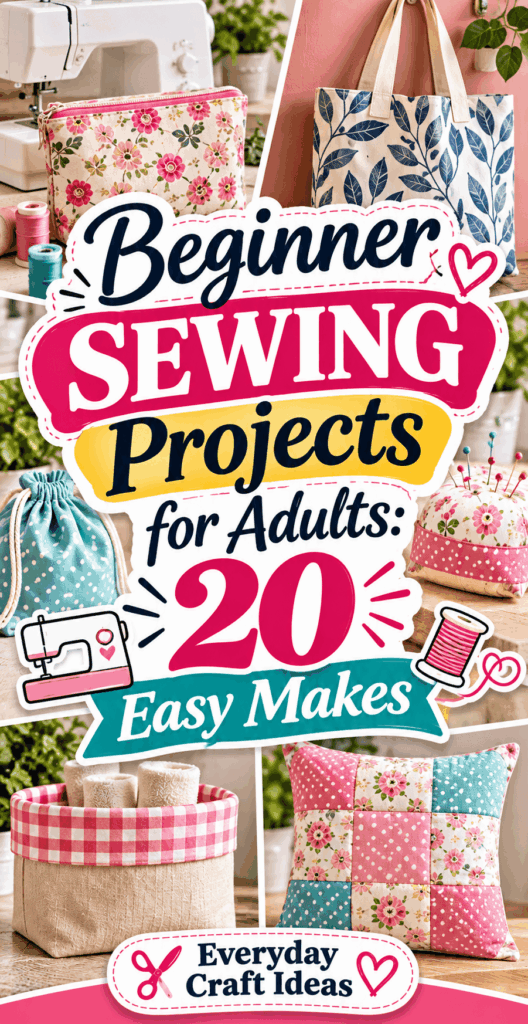
Beginner Sewing Projects for Adults: 20 Easy Makes
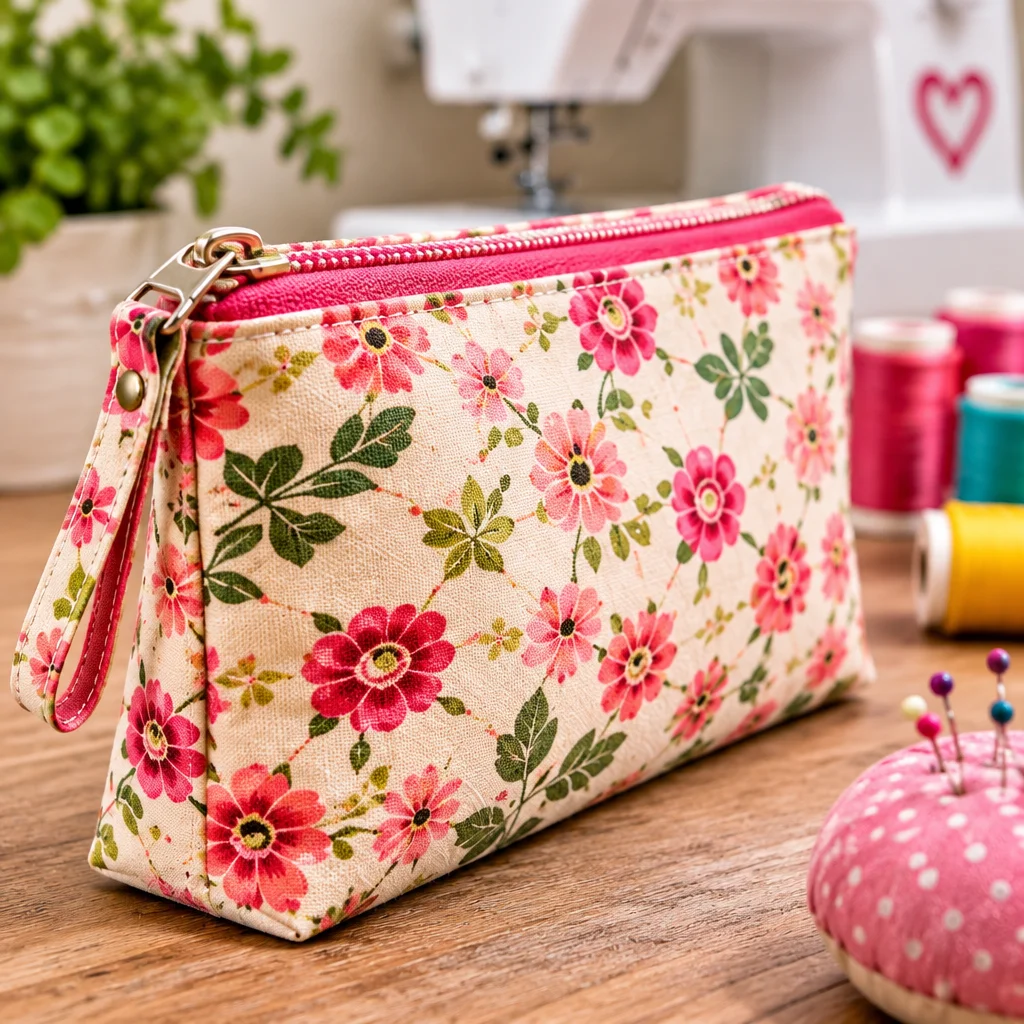
If you are searching for beginner sewing projects for adults, you probably want two things: quick wins and useful items you will actually use. The good news is that modern sewing is very beginner-friendly, especially when you start with straight seams and forgiving fabrics like cotton. In this guide, you will find 20 easy makes you can finish in a weekend (many in an hour), plus practical tips on cutting, seam allowances, and troubleshooting so your first projects look polished, not homemade in the wrong way. If you would like even more simple options after this list, check out this roundup of easy sewing projects for beginners. And if you want a relaxing, portable craft between sewing sessions, these crochet ideas for beginners are a great complement.
What you need to get started
Most beginner sewing projects for adults require only a few core tools, but choosing the right basics prevents frustration. You do not need an expensive machine, but you do need sharp cutting tools, accurate measuring, and a way to press seams. Pressing is not optional if you want crisp edges and flat hems.
- Sewing machine (or needle for hand sewing): A basic machine with straight stitch and zigzag is enough for nearly every project in this list.
- Universal needles: Size 80/12 works well for quilting cotton and many light to medium fabrics. Change needles regularly for cleaner stitches.
- Thread: All-purpose polyester thread is strong and beginner-friendly. Avoid bargain thread that sheds lint and breaks easily.
- Fabric scissors or rotary cutter: Keep fabric scissors for fabric only. Paper dulls blades quickly.
- Measuring and marking: Tape measure, clear ruler, tailor’s chalk or washable fabric pen.
- Pins or clips: Clips are great for thick layers like hems and boxed corners.
- Iron and ironing board (or mat): Press as you sew for accurate seams and professional-looking results.
Essential sewing machine settings and supplies
Start with a straight stitch length of about 2.5 mm for woven cotton. Use a 3.0 to 3.5 mm zigzag to finish raw edges if you do not have a serger. Set tension to the machine’s default and test on a scrap: balanced stitches look the same on both sides. Use a standard presser foot for most seams, a zipper foot for zipper pouches, and a buttonhole foot if your machine includes it.
Before sewing, wind a bobbin slowly and evenly, thread the machine with the presser foot up, and always do a quick test seam on scrap fabric. This tiny habit prevents the most common beginner problem: starting a project with the wrong tension or stitch length and having to unpick a long seam.
20 ideas and projects to try
The best beginner sewing projects for adults are functional, forgiving, and quick. Look for projects built from rectangles, with simple hems, casings, or boxed corners. Quilting cotton, cotton canvas, and stable linen blends are excellent starter fabrics because they press well and do not slide around like silky fabrics.
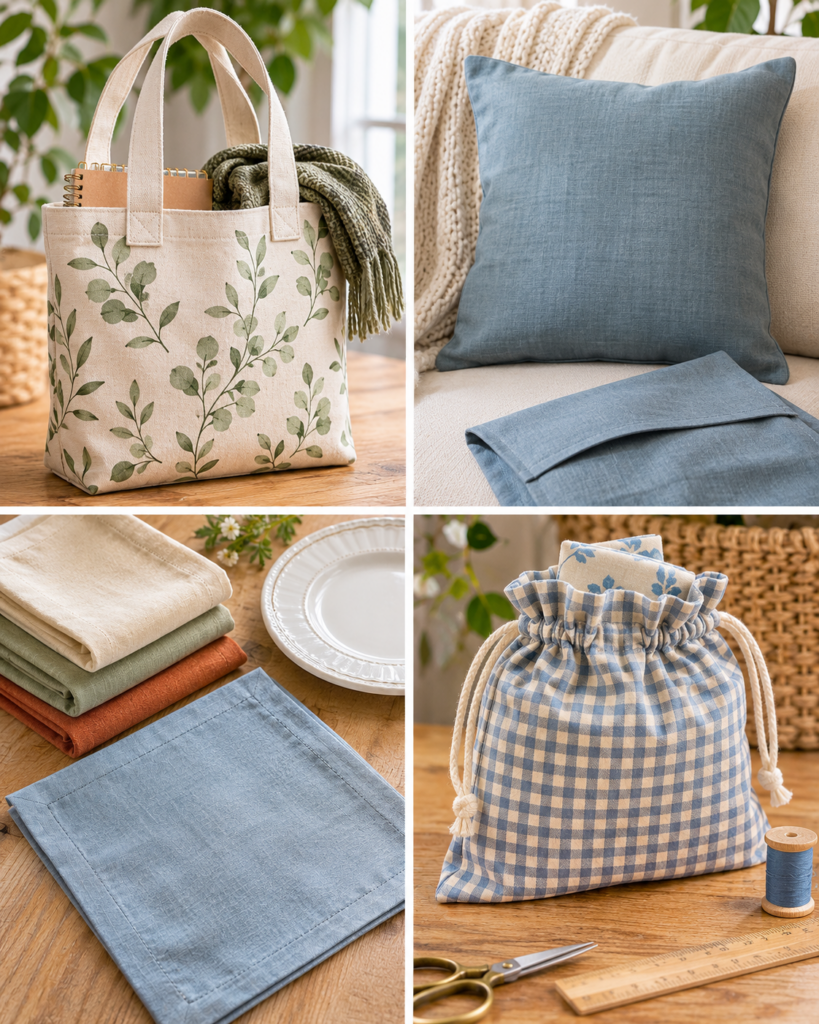
- Envelope pillow cover (no zipper, removable for washing)
- Standard pillowcase with a cuff
- Simple tote bag with boxed corners
- Reusable grocery bag from canvas
- Drawstring gift bag (great for practice)
- Fabric napkins with mitered corners
- Table runner (straight seams, big payoff)
- Pot holder with cotton batting and quilting
- Microwave bowl cozy (use 100% cotton materials only)
- Simple apron with a waistband tie
- Half apron with pockets
- Basic zipper pouch lined
- Boxy zip pouch (slightly more advanced)
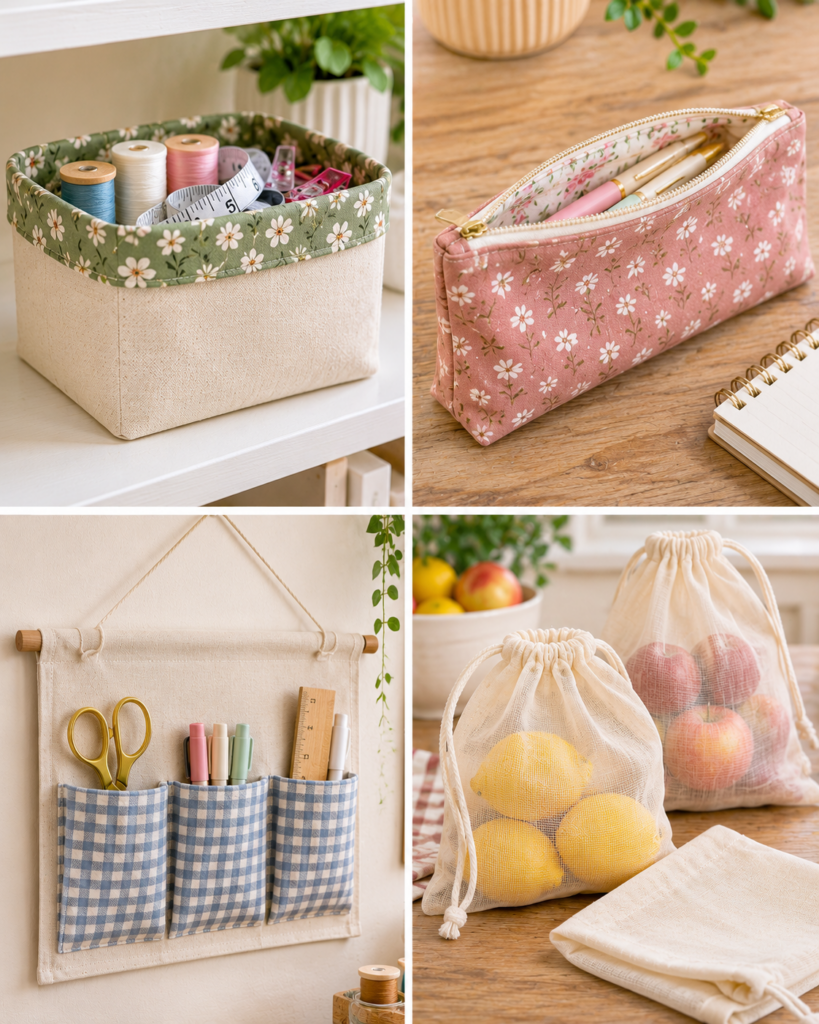
- Fabric basket (structured, uses interfacing)
- Soft headband with elastic
- Scrunchie (fast, great for scraps)
- Key fob wristlet (learn topstitching)
- Heat pack (filled with rice or flax, with safe fabric choices)
- Hemming pants or curtains (real-life skill builder)
- Simple pajama shorts (first garment with elastic casing)
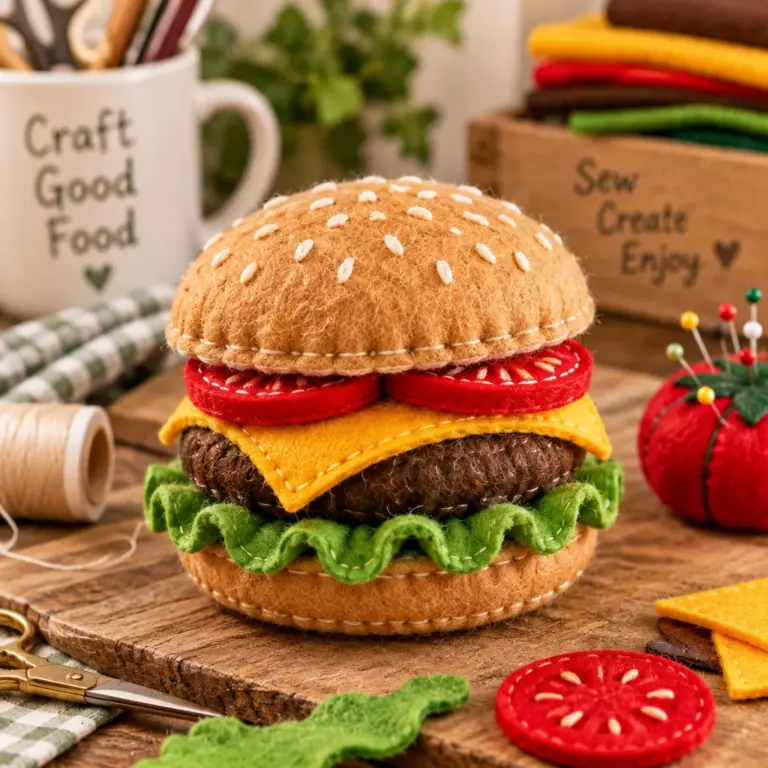
When you are ready for more inspiration beyond sewing, these beginner-friendly felt crafts for beginners are another low-pressure way to practice cutting and neat edges.
Tote bags, pillowcases, simple aprons, napkins, zipper pouches and fabric baskets
If you only pick a few to start, choose a tote bag, envelope pillow cover, napkins, a simple apron, and one zipper pouch. These cover core skills: hemming, topstitching, boxed corners, straps, and installing a zipper.
- Tote bag: Use canvas or quilting cotton with interfacing. Add boxed corners for a flat bottom and practice strong strap stitching.
- Pillowcase: Great for learning long straight seams and French seams (optional) for a clean interior finish.
- Simple apron: Teaches gathering or pleating (optional), plus making and attaching long ties.
- Napkins: Ideal for practicing pressing, folding, and mitered corners that look crisp.
- Zipper pouch: A confidence booster once you learn zipper basics. Use a zipper foot and baste first if needed.
- Fabric basket: Uses interfacing or batting for structure and helps you learn how to pivot at corners neatly.
How to make and customize the projects
Below is a practical approach you can apply to most beginner sewing projects for adults, whether you are making napkins or a lined tote. The key is to slow down at the preparation stages: accurate cutting, pressing, and pinning will save you far more time than they cost.
First projects ranked by difficulty
- Level 1 (30 to 60 minutes): Scrunchie, fabric napkins, drawstring bag, heat pack, simple hem repair.
- Level 2 (1 to 2 hours): Envelope pillow cover, pillowcase with cuff, headband, key fob wristlet, table runner.
- Level 3 (2 to 4 hours): Tote bag with boxed corners, simple apron, lined zipper pouch, fabric basket, pajama shorts.
Start with woven fabrics. Stretch knits are absolutely learnable, but they add complexity: you need ballpoint needles, stretch stitches, and extra attention to fit and recovery.
Cutting accuracy, seam allowances and common mistakes
- Prewash when shrinkage matters: Cotton often shrinks. Prewash fabric for pillowcases, clothing, and anything washable. Press it flat before cutting.
- Square up your fabric: Align the grain by pulling a thread or tearing along the cross-grain (only for suitable woven cotton). Crooked grain causes twisted bags and uneven hems.
- Mark seam allowance clearly: Many patterns use 3/8 inch or 5/8 inch. Put a piece of painter’s tape on your machine bed as a visual guide if you are struggling to keep consistent seams.
- Press each seam as sewn, then press open or to one side: This sets stitches into the fabric and makes topstitching straighter.
- Backstitch with intention: Backstitch at the beginning and end of seams that take stress (straps, pocket corners). Avoid bulky backstitching on delicate seams where it creates lumps.
- Finish raw edges: Zigzag, pinking shears, or a clean enclosed seam (French seam) prevents fraying, especially after washing.
Supplies, cost, time and skill level
One reason beginner sewing projects for adults are so popular is that you can start small and build your tool kit as you go. Expect to spend the most upfront on cutting tools and an iron if you do not already have one. After that, projects can be very budget-friendly, especially when you use remnants or upcycle cotton sheets for practice.
- Fabric cost: Quilting cotton is often affordable and comes in beginner-friendly prints. Canvas costs more but is sturdy for totes.
- Notions: Zippers, elastic, and interfacing add cost. Buy a small variety pack of zippers and a roll of 1 inch woven elastic.
- Time: Simple rectangles are fastest. Zippers and boxed corners add time, but become quick with repetition.
- Skill level: If you can sew a straight seam and press, you can complete most items here. The step up is sewing accurate corners and keeping consistent seam allowances.
Beginner mistakes and troubleshooting
When something goes wrong, it is usually a setup issue, not a talent issue. Here are common problems and practical fixes.
- Thread nests under the fabric: Rethread the top with presser foot up, hold thread tails when starting, and confirm the bobbin is inserted correctly.
- Skipped stitches: Change to a new needle, match needle type to fabric, and sew at a moderate speed.
- Wavy seams: Do not pull fabric through the machine. Let the feed dogs move it. Use more pins and press as you go.
- Uneven hems: Measure from the folded edge rather than the raw edge if it is wavy. Press the hem in sections and use a seam gauge.
- Bulky corners: Trim seam allowances, clip corners (without cutting stitches), and use a point turner gently.
“I made my first tote bag from cotton canvas and it actually stands up on its own. The tip about pressing every seam made a huge difference. I used to skip ironing and my edges always looked wobbly.”
If you enjoy learning multiple crafts, you might also like the calming, step-by-step nature of paper quilling ideas for beginners for gift tags and framed art when you want a break from the sewing machine.
Frequently Asked Questions About Beginner Sewing Projects for Adults: 20 Easy Makes
What should an adult sew first?
A great first choice is a set of fabric napkins or a drawstring bag. Both teach you how to sew straight seams, press folds, and finish edges without tricky fitting. Choose quilting cotton because it is stable and easy to press. Make two or four items in the same session so you repeat the same steps and build muscle memory. That repetition is what makes your stitches straighter quickly.
Can I learn sewing without a machine?
Yes. Many beginner sewing projects for adults can be hand sewn, especially small items like heat packs, simple hems, scrunchies (hand sewn casing), and small pouches with snaps instead of zippers. Use a backstitch for strong seams and a whipstitch or blanket stitch to finish edges. Hand sewing is slower, but it teaches excellent control and helps you understand seam construction before you add machine speed.
How long does a beginner project take?
Most simple projects take 30 to 120 minutes, depending on prep time. Cutting and pressing often take as long as stitching. A set of napkins may take an hour for your first set and 30 minutes once you are comfortable. A lined zipper pouch might take 2 hours the first time because you will go slowly and check alignment. Build in extra time for seam ripping because it is part of learning.
What fabric is easiest for beginners?
Quilting cotton is the easiest because it is stable, presses well, and does not stretch. Medium-weight cotton canvas is also beginner-friendly for bags, but it is thicker, so use a fresh needle and go slowly over bulky seams. Avoid slippery satin, stretchy jersey, or very loosely woven fabrics at first because they shift while cutting and sewing. Whatever you choose, press it well before cutting to prevent distortion.
Do I need a pattern for these projects?
Not always. Many beginner sewing projects for adults are “measure and cut” projects built from rectangles, like pillowcases, napkins, and simple totes. Patterns are helpful for garments (like pajama shorts) because they handle shaping and fit. If you are pattern-shy, start with a tutorial-based project and focus on accuracy. Once seams and hems feel comfortable, patterns will feel much less intimidating.
How do I make my projects look more professional?
Press constantly, use consistent seam allowances, and topstitch where it makes sense. Neat topstitching along bag straps, pouch edges, and apron hems adds structure and a polished look. Trim threads as you go, and finish raw edges so the inside looks tidy too. Finally, choose thread that matches your fabric for a clean look, or intentionally contrast it for a decorative effect, but keep it consistent.
Final tips and next projects
Beginner sewing projects for adults are all about momentum. Pick one item you will genuinely use, choose an easy fabric like quilting cotton, and focus on clean preparation: square cuts, accurate seam allowances, and frequent pressing. Keep scraps to practice buttonholes, zippers, and tension tests without risking your main project. When you finish your first few makes, level up by adding simple features like pockets, boxed corners, or a lining. For more beginner-friendly inspiration in the same spirit, browse this guide to crochet projects for beginners as a relaxing companion craft. Your next step: choose one Level 1 project today, gather materials, and commit to finishing it start to end. You will learn more from one completed project than from ten saved tutorials.