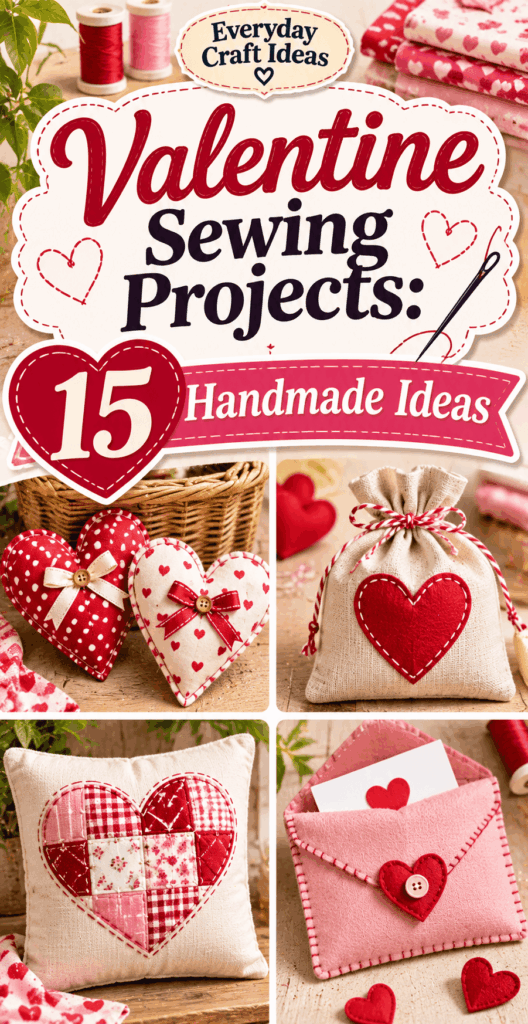
Valentine Sewing Projects: 15 Handmade Ideas
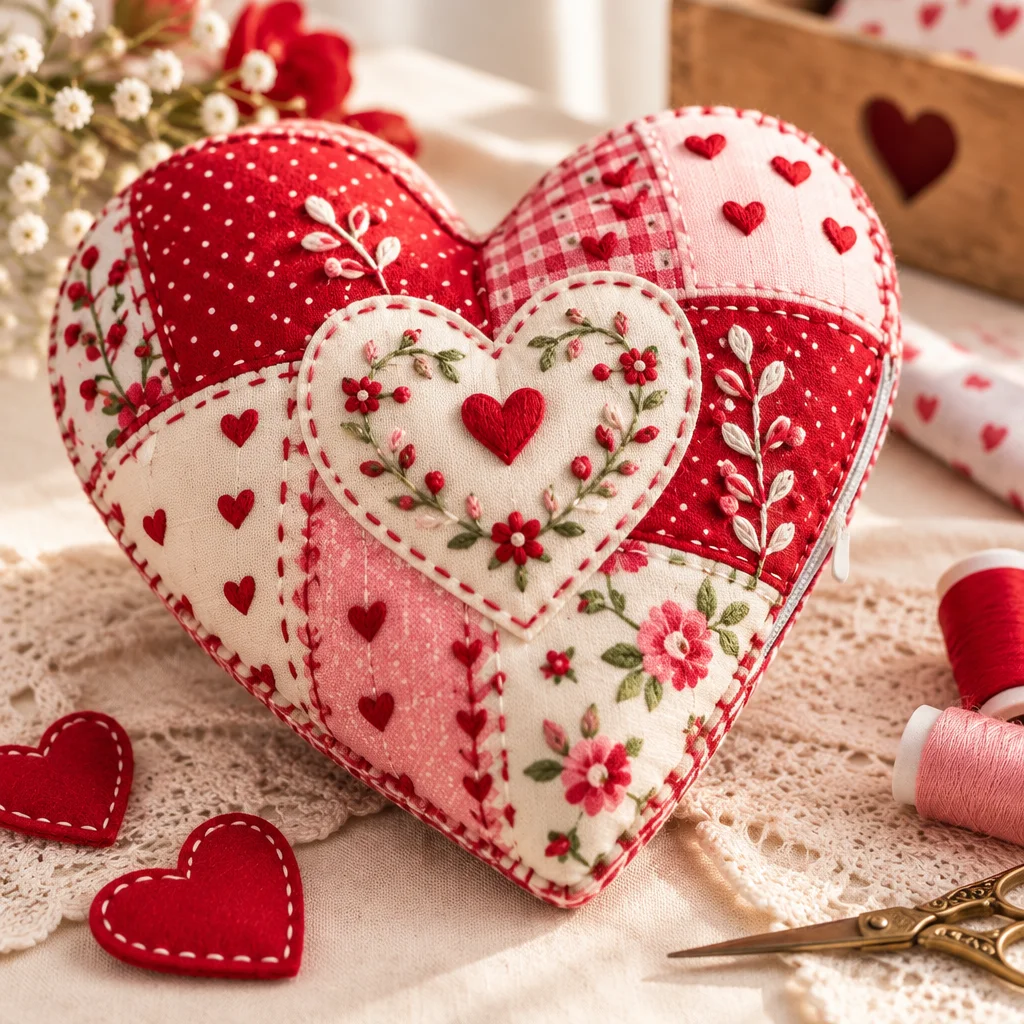
Valentine Sewing Projects are a sweet way to make something meaningful without spending a lot, and they are perfect for using up pretty prints, felt, and little scraps you already own. Whether you want quick gifts for friends, kid-friendly classroom treats, or cozy home decor, sewing gives you durable results that look polished when you slow down and focus on clean seams and neat finishing. If you are brand new to sewing, you will feel more confident after a few simple wins, so start with easy, useful makes and repeat them in different fabrics. For extra beginner practice, browse these collections of easy sewing projects for beginners and beginner sewing projects for adults to build your skills before tackling curves and zippers.
Choosing Valentine Sewing Projects by Skill Level
The best Valentine Sewing Projects match your current skills and your available time. When you choose correctly, you will finish, enjoy the process, and end up with something you are proud to give. For absolute beginners, look for straight seams, simple shapes, and forgiving fabrics like quilting cotton and felt. Great first options include sachets, garlands, bunting, and reusable treat bags. They teach accurate cutting, seam allowance consistency, and pressing, which are the foundation for everything else.
If you can sew a clean seam and pivot corners, you are ready for intermediate projects like heart corner bookmarks, patchwork pillows, and mug rugs. These teach layering, topstitching, and working with batting. If you are comfortable with zippers and small curves, try the heart-shaped zipper pouch or shaped pot holders, where precision and pressing make a big difference.
Time matters too. Many of these ideas take 20 to 45 minutes once you have cut your pieces, but cutting can take longer than sewing. Batch work helps: cut all hearts at once, then chain sew. Also consider your recipient. A teacher gift might be coasters or a mug rug, while a teen might love a zipper pouch or key fob.
Finally, pick fabric intentionally. Quilting cotton gives crisp results for decor, felt is fast and no-fray for brooches, and heavier cotton canvas holds up for key fobs. If you need ideas specifically for small cuts, these fat quarter sewing projects can help you plan efficiently.
Small Handmade Valentine Gifts
Fabric Heart Sachets
Difficulty: Beginner. Time: 20 to 30 minutes each. Use: Drawer freshener or small gift topper.
- Cut two heart shapes from quilting cotton. Use a paper template so both sides match and your seam line stays even.
- Place right sides together and sew around with a 1/4 inch seam allowance, leaving a 1.5 inch opening. A small opening keeps the curve tidy.
- Clip notches around the curves (do not cut the stitches). This prevents puckers when turned.
- Turn and press using a chopstick or turning tool to shape the top curves gently.
- Fill lightly with dried lavender or polyfill plus a few drops of essential oil. Do not overstuff or the seams strain.
- Close the opening with ladder stitch or a narrow topstitch.
Troubleshooting: If your heart looks lumpy, you likely skipped enough clipping or overstuffed. Press again and remove a pinch of filling. Variation: Add a ribbon loop before stitching so it can hang on a doorknob.
Heart-Shaped Zipper Pouches
Difficulty: Confident beginner to intermediate. Time: 60 to 90 minutes. Use: Coins, lip balm, earbuds.
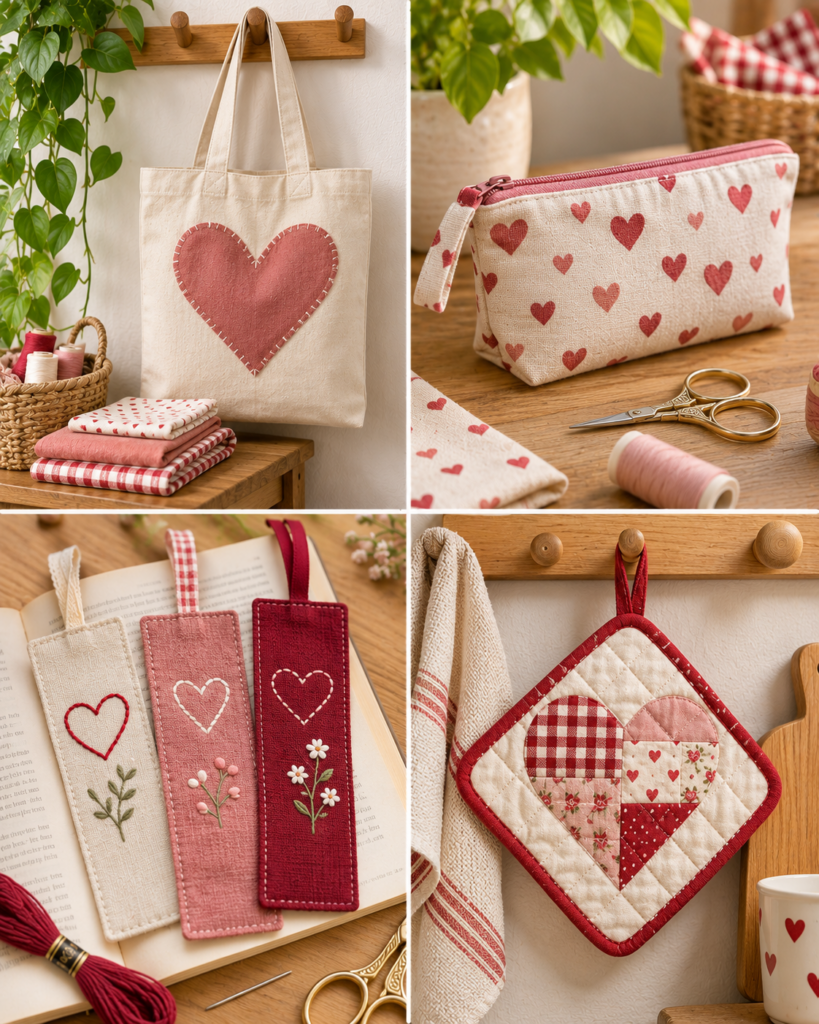
Choose a 7 to 9 inch zipper and interface your outer fabric for structure. Sew the zipper between an outer heart and lining heart along the top curve in two halves, then stitch around the full heart with the zipper partially open. Always open the zipper before closing the final seam so you can turn the pouch right side out.
Tip: Use a zipper foot and slow speed near the curve. If the curve ripples, you may be stretching the fabric. Let the feed dogs do the work and keep your hands relaxed.
Reusable Fabric Gift Wrap
Difficulty: Beginner. Time: 20 minutes. Use: Eco-friendly wrapping for small boxes.
Cut a square of quilting cotton or lightweight canvas (about 18 to 22 inches). Hem all sides with a double fold hem. Wrap like a simple furoshiki: place the gift in the center, tie opposite corners, then tie the remaining corners. Variation: Stitch a small heart patch in one corner so the wrap feels Valentine-specific without limiting it to one holiday.
Felt Heart Brooches
Difficulty: Beginner. Time: 20 to 40 minutes. Use: Pin on a jacket or tote.
Felt does not fray, which makes it ideal for fast gifts. Cut two matching hearts, decorate the front with hand embroidery or small beads (attach beads securely with doubled thread), then blanket stitch around the edge with a little stuffing for dimension. Sew a brooch pin back to the rear piece with strong stitches.
Safety note: If gifting to children, skip beads and use embroidery only, since small embellishments can be a choking hazard.
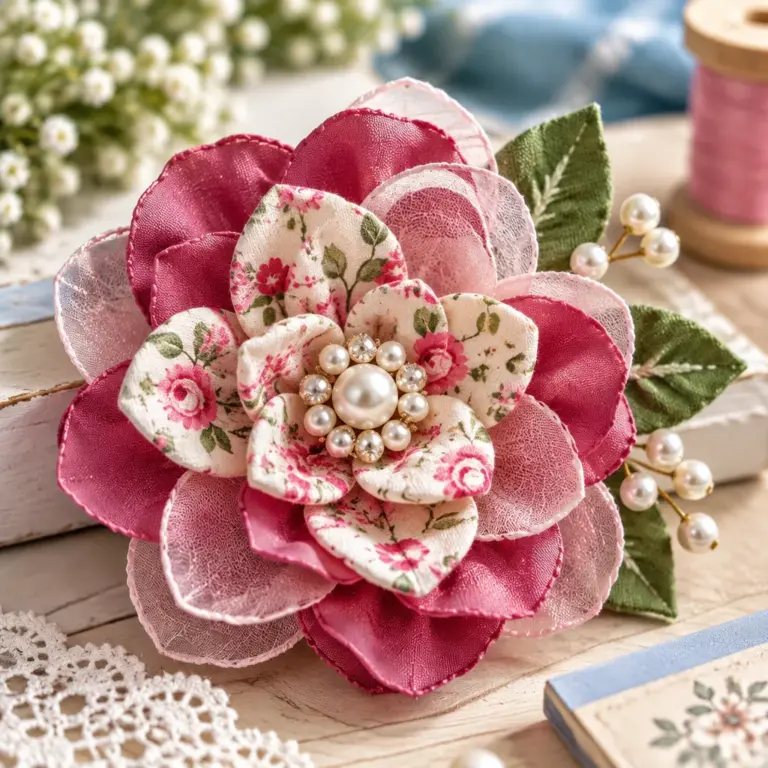
Fabric Rose Pins
Difficulty: Confident beginner. Time: 45 to 60 minutes. Use: Corsage alternative.
Cut a long bias strip (about 1.5 inches wide by 18 to 24 inches). Fold in half lengthwise, stitch, then gather along the raw edge and roll into a rose shape, stitching as you wrap. Bias fabric curves smoothly and reduces bulk. Finish by stitching the rose to a felt circle backing and add a pin back.
Valentine Decorations for the Home
Fabric Heart Garland
Difficulty: Beginner. Time: 45 to 75 minutes. Use: Mantel, mirror, staircase.
Cut paired hearts from quilting cotton, sew, clip curves, and turn. Lightly stuff or leave flat. String them by stitching across the top of each heart onto twill tape or bias tape. Keep spacing consistent by marking the tape every 4 to 6 inches. Tip: A long stitch length (3.0 to 3.5) looks neat and is easier to remove if you want to reuse hearts for another project later.
Patchwork Heart Pillow
Difficulty: Intermediate. Time: 2 to 4 hours. Use: Couch accent.
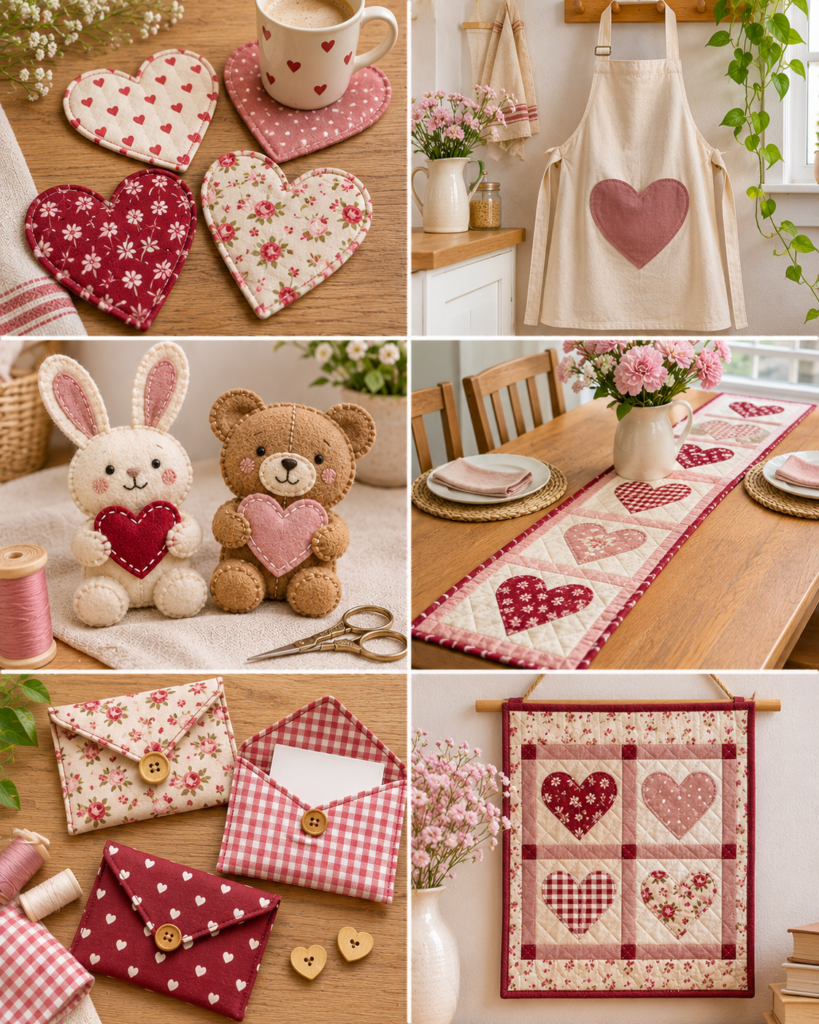
Piece a heart motif using squares or half-square triangles on a 16 inch pillow front. Press seams consistently (either all to one side or open) so the front lies flat. Add a solid border for a modern look and to make the heart pop. Finish as an envelope-back pillow cover for easy washing. If you want more patchwork practice, pull ideas from these easy fat quarter sewing ideas since fat quarters are ideal for coordinated patchwork.
Mini Heart Bunting
Difficulty: Beginner. Time: 30 to 60 minutes. Use: Window, kitchen shelf, party decor.
Instead of turning tiny hearts, cut single-layer hearts and zigzag stitch them directly onto ribbon, or cut felt hearts and stitch them on. Felt bunting is especially beginner-friendly because it stays flat and does not fray. Add a few neutral hearts so the bunting can stay up past Valentine’s Day.
Heart Appliqué Tea Towels
Difficulty: Beginner. Time: 30 to 50 minutes. Use: Kitchen decor and daily use.
Appliqué looks impressive and is very washable when done correctly. Use a cotton towel, cut a heart from quilting cotton, and fuse with lightweight fusible web. Stitch around the edge with a narrow zigzag or satin stitch. Washable projects need secure stitching, so do not rely on fusible alone. Troubleshooting: If your towel puckers, reduce stitch density slightly and use a stabilizer on the back while stitching.
Quilted Heart Mug Rugs
Difficulty: Beginner to intermediate. Time: 45 to 90 minutes. Use: Protect surfaces, gift with a mug.
Layer a 6 to 8 inch square: backing cotton, batting, and a pieced or appliqué heart top. Quilt straight lines or gentle curves, then bind or finish with a turned edge. Keep quilting lines evenly spaced for a professional look. For fun contrast, use red thread on pink fabric or metallic thread on a neutral background (test tension first).
Useful Valentine Sewing Projects
Heart Corner Bookmarks
Difficulty: Beginner. Time: 20 minutes. Use: Slides onto a page corner.
Cut two squares (about 4 inches) and one triangle, or follow a simple fabric origami style: sew two squares right sides together, turn, press, then fold into a corner pocket and stitch. Use felt for an extra-easy no-fray version. Tip: Topstitch the opening edge to keep it crisp and help it grip the page.
Coordinated Fabric Coasters
Difficulty: Beginner. Time: 15 to 25 minutes each. Use: Practical gift set.
Use quilting cotton plus a layer of cotton batting or felt for absorbency. Sew right sides together, leave an opening, turn, press, and topstitch. Make a set of four with alternating heart prints and solids. If you need fabric ideas that mix and match well, dig into your stash with these scrap fabric sewing projects and pull coordinating leftovers.
Heart Key Fobs
Difficulty: Confident beginner. Time: 30 to 45 minutes. Use: Keychain or bag charm.
Interface your fabric, stitch two heart shapes, and insert a short folded webbing loop with a key ring at the top before sewing closed. Reinforce the loop area with extra stitching because key fobs take stress. Use canvas or denim for durability, and round your seam allowances at the top so it sits smoothly.
Reusable Treat Bags
Difficulty: Beginner. Time: 30 minutes. Use: Candy, notes, small gifts.
Sew a simple drawstring bag from quilting cotton. Add a heart patch or applique to the front before assembling. French seams make the inside neat and strong without a serger. If you are batch-making for a class, chain sew side seams and press in one session, then thread all drawstrings at the end.
Heart-Shaped Pot Holders with Heat-Safe Materials
Difficulty: Intermediate. Time: 90 minutes. Use: Functional kitchen gift.
Use 100 percent cotton fabric and cotton batting or a heat-resistant insulated batting labeled for pot holders. Avoid polyester batting because it can melt with high heat. Quilt the layers first, then cut your heart shape, bind the edges with cotton bias tape, and add a hanging loop. Safety note: Even with the right materials, remind recipients to avoid open flame and prolonged contact with very hot cast iron.
Fabric, Notions and Beginner-Friendly Tools
Having the right basics makes Valentine Sewing Projects feel smoother and more accurate. Quilting cotton is the easiest fabric for most of these ideas because it presses well, cuts cleanly, and is stable under the presser foot. Felt is excellent for no-fray edges and kid-friendly crafting. For structure in pouches, key fobs, and coasters, add fusible interfacing or an extra layer of cotton batting.
- Rotary cutter, mat, and acrylic ruler: Faster, straighter cutting, especially for patchwork and mug rugs. If you use a rotary cutter, close the blade between cuts and keep fingers clear.
- Sharp fabric scissors: Reserve them for fabric only so your cuts stay clean and your seams match.
- Quality thread: All-purpose polyester thread is reliable for most projects; use cotton thread for high-heat items like pot holders if you prefer a fully cotton finish.
- Needles: A universal 80/12 works for quilting cotton; switch to a denim needle for canvas key fobs.
- Pressing tools: An iron and pressing surface are not optional. Pressing after each seam is what makes handmade look professional.
- Clips and pins: Clips are great for bulky layers; pins help with precise alignment on patchwork.
Before starting, prewash anything that will be washed later, like tea towels and pillow covers. Prewashing prevents shrinking that can pucker appliqué or distort mug rugs.
How to Personalize Projects Without Extra Cost
Personalization is what turns simple Valentine Sewing Projects into keepsakes, and you do not need a cutting machine or pricey supplies. Start with fabric choices. A heart print in someone’s favorite color feels intentional, even if the pattern is not traditionally Valentine-themed. You can also use the “wrong side” of a fabric as a subtle texture, especially with linen blends.
Use small-scale details: contrast topstitching, a tiny tag made from scrap ribbon, or a hand-tied bow. For initials, try simple hand embroidery with backstitch or running stitch on a heart patch before you sew it on. If you make a set like coasters or mug rugs, keep one consistent element across all pieces, such as the same binding fabric or the same thread color.
Repurpose what you already have. Buttons can become flower centers on felt brooches, and leftover batting can be pieced for mug rugs. Even wrapping can be handmade: use the reusable fabric gift wrap idea and finish it with a scrap-fabric heart tie. If your scraps are piling up, plan a “scrap palette” by sorting into pinks, reds, neutrals, and darks so you can quickly assemble coordinated patchwork without buying anything new.
“I made the heart sachets and a set of coasters from leftovers in my stash. The step about clipping curves made a huge difference. Mine looked smooth instead of lumpy, and my sister now wants a matching mug rug for her desk.”
Tips for Neat Curves, Appliqué and Small Seams
Curves and tiny pieces are where handmade often looks messy, but a few habits will improve your results immediately. First, slow down. A steady, moderate pace gives the machine time to form even stitches, especially when pivoting around heart curves. Second, shorten your stitch length slightly for tight curves (2.0 to 2.2) so the seamline bends smoothly.
When sewing heart shapes, stop with the needle down on the seam line, lift the presser foot, and rotate the fabric a few degrees at a time. If you try to swing the fabric in one move, you can create jagged edges. After stitching, clip notches into the seam allowance around the curves and trim bulk at the pointy bottom. This lets the shape turn cleanly without pulling.
Appliqué looks best when the base fabric is stabilized. If your tea towel or pillow front ripples, add a tear-away stabilizer behind the stitching area. Keep your satin stitch wide enough to cover the raw edge, but not so dense that it tunnels the fabric. Test on scraps first and adjust upper thread tension if needed.
For small seams like bookmarks and treat bags, consistency matters more than perfection. Use a seam guide or a piece of tape on your machine bed as a visual guide. Press seams as you go, and use clappers or a wooden block to cool pressed seams flatter. If something looks off, unpick early. Seam rippers are part of sewing, not a sign of failure.
Frequently Asked Questions About Valentine Sewing Projects: 15 Handmade Ideas
Which Projects Can Beginners Finish Quickly?
The fastest beginner-friendly Valentine Sewing Projects are felt heart brooches, fabric heart sachets, mini heart bunting, and simple coasters. They use mostly straight seams or gentle curves, and they do not require zippers. To finish quickly, cut pieces in batches, use a simple template, and press as you go. If you only have 30 minutes, make one excellent sachet instead of rushing a zipper pouch.
What Can I Sew With Fabric Scraps?
Scraps are perfect for mug rugs, patchwork hearts, small appliqué motifs, key fobs, and pocket-style bookmarks. Pieces as small as 2 inches can become patchwork units or layered appliqué. If your scraps are irregular, stabilize them with lightweight interfacing before piecing to prevent stretching. Keep a “scrap bin” by color family so you can grab coordinated bits quickly.
Which Gifts Are Practical Beyond Valentine’s Day?
Reusable items tend to get used year-round: coasters, mug rugs, tea towels, treat bags, and key fobs. To make them less holiday-specific, choose hearts in subtle colors, use a heart shape as quilting lines rather than a bold print, or mix hearts with stripes and solids. A neutral background with a small heart accent looks intentional in any season.
How Do I Keep Heart Shapes Smooth and Symmetrical?
Use a sturdy template and cut with a rotary cutter for accuracy, or trace and cut carefully with sharp scissors. Sew with an even seam allowance and clip curves before turning. After turning, press thoroughly and use a turning tool to shape the top lobes gently. If one side looks larger, it is often a cutting mismatch, so tape two layers together before cutting to keep them identical.
Do I Need to Prewash Fabric for These Projects?
Prewash anything that will be laundered later, such as pillow covers and tea towels, because cotton can shrink and wrinkle around appliqué and quilting. For items that will not be washed often, like garlands, you can usually skip prewashing, but do press fabric to remove creases before cutting. If you mix prewashed and unwashed fabrics in one project, you may get uneven shrinkage later.
What Are Common Mistakes With Zipper Pouches?
The most common issues are sewing the zipper in upside down, stitching too close to the teeth, and forgetting to open the zipper before turning. Mark the zipper top, baste first if you are nervous, and use a zipper foot. If the fabric waves near the zipper, add interfacing and avoid pulling as you sew. Always test the zipper movement before final assembly.
Final Thoughts
Valentine Sewing Projects do not have to be complicated to feel special. Pick one idea that fits your current skill level, cut carefully, and press every seam for a clean finish. If you are short on time, make a small batch of sachets or coasters. If you want a showpiece, go for a patchwork heart pillow or a set of quilted mug rugs. Your next step is simple: choose two coordinating fabrics, print or trace a heart template, and make one project start to finish. After that first success, you can repeat the same pattern with new fabrics and build an entire set of handmade Valentine gifts and decor with confidence.